Residential Water Damage Restoration in Miami, FL
A water leak, burst pipe, appliance failure, overflowing toilet, or storm-related water intrusion can affect floors, walls, ceilings, cabinets, and personal belongings throughout your home.
Rapid Dry Miami helps homeowners address the resulting water damage through prompt water removal, deep moisture extraction, cleaning, structural drying, and complete restoration.
When water enters your living spaces, addressing both the visible standing water and hidden moisture trapped in building materials is essential to protect your home.
Dealing with water damage in your Miami home? Call Rapid Dry Miami for immediate assistance.
Water Damage in Your Home Can Spread Beyond the Original Leak
When a leak happens in a home, water rarely stays confined to one spot. Gravity, porous building materials, and airflow cause water to migrate quickly along floors, through baseboards, down into subfloors, and into wall cavities.
A leak that starts under a bathroom vanity or kitchen sink can travel across adjoining hallways, saturate carpet padding in nearby bedrooms, and seep beneath tile or laminate flooring across several rooms.
How Water Migrates Through Residential Building Materials:
Water can move from the original source into:
- Finished Flooring: Hardwood, laminate, vinyl plank, and tile surfaces.
- Carpet & Padding: Dense carpet fibers and porous foam padding that trap gallons of water.
- Subflooring & Underlayment: Plywood, OSB, and concrete subfloors holding trapped moisture.
- Drywall & Baseboards: Porous sheetrock absorbing water vertically through wicking.
- Cabinets & Vanities: Particleboard and solid wood bases swelling from standing moisture.
- Ceilings & Upper Floors: Water filtering through floor joists and plaster or drywall below.
- Wall Cavities & Insulation: Hidden spaces behind walls holding moisture out of plain sight.
- Furniture & Household Contents: Upholstery, wooden furniture legs, rugs, and personal items.
Important Distinction: The visible water on your floor may only indicate where the problem originated. Even after the surface is mopped or looks relatively dry, moisture can continue moving through structural building materials beneath the surface.
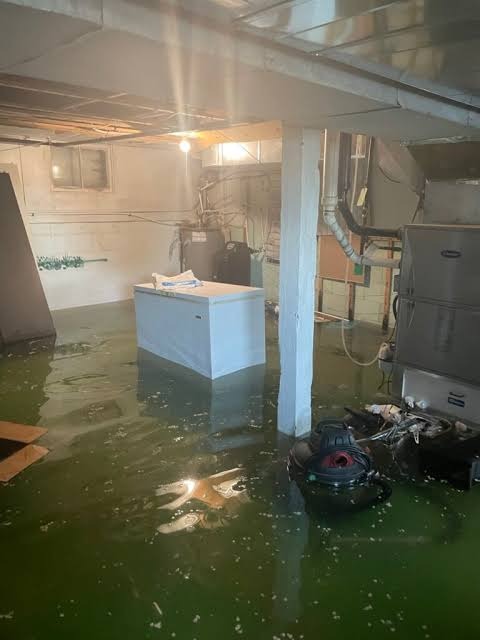
Moisture migrates beyond the leak into subfloors, drywall, and structural assemblies.
What Can Cause Residential Water Damage in Miami?
Residential water damage can develop suddenly from an unexpected mechanical failure or gradually from a hidden plumbing issue. In South Florida homes, unique climate and plumbing factors contribute to water intrusions:
Burst or Leaking Pipes
Pressurized supply lines inside wall cavities, beneath slab foundations, or under sinks can crack, corrode, or rupture. A burst pipe can discharge hundreds of gallons of water into a home within minutes, soaking flooring and structural framing across multiple rooms.
Water Heater Leaks
Aging water heaters frequently develop tank corrosion, failed temperature and pressure relief valves, or fractured supply connectors. When a tank ruptures, 40 to 80 gallons of continuous water can flood utility closets, garages, and adjacent living quarters.
Washing Machine and Appliance Leaks
High-pressure rubber supply hoses to washing machines, leaking dishwasher seals, refrigerator ice-maker lines, and water filtration units are common sources of unexpected indoor flooding that rapidly spread under kitchen cabinets and flooring.
Toilet and Bathroom Overflows
Clogged toilet lines, malfunctioning fill valves, failed wax rings, or shower pan failures can cause contaminated water to spill across bathroom floors, seeping through tile grout and penetrating subfloors into rooms below.
Roof and Ceiling Leaks
Damaged roof shingles, flashing defects, or degraded flat-roof membranes allow water to enter attic spaces during heavy rains. The water accumulates on ceiling drywall before breaking through into living areas below.
Air Conditioning Condensation Leaks
With Miami air conditioners running year-round, clogged condensate drain lines and cracked drain pans cause large volumes of water to overflow inside utility closets, attics, and ceilings, often going unnoticed until drywall stains appear.
Heavy Rain and Storm Water Intrusion
Intense tropical downpours, wind-driven rain, and flash flooding can push water through doorway thresholds, sliding glass patio tracks, and window seals, affecting ground-level rooms and finished residential floors.
What Does Residential Water Damage Restoration Include?
Restoring a home after water damage is a multi-phase process designed to remove standing water, extract trapped moisture, sanitize affected areas, thoroughly dry structural materials, and prepare the home for restoration.
Residential Water Removal
Removing standing surface water from affected rooms, hallways, bathrooms, and utility areas using high-capacity submersible pumps and industrial wet vacuums.
Water Extraction
Extracting water that has absorbed into porous materials like carpet fibers, carpet padding, flooring underlayment, subfloors, and area rugs.
Water Damage Cleanup
Cleaning affected surfaces, wiping down cabinetry and baseboards, sanitizing contaminated areas, and removing water-damaged debris safely from the home.
Structural Drying
Addressing remaining moisture inside floors, drywall, framing studs, ceilings, and other structural materials using commercial air movers and LGR dehumidifiers.
Moisture Assessment
Utilizing digital moisture meters and thermal imaging to locate hidden dampness behind walls, beneath tile, and within insulated cavities throughout the house.
Affected Material Assessment
Evaluating flooring, drywall, insulation, cabinetry, and baseboards to determine what can be dried, cleaned, and preserved versus what requires replacement.
Restoration: Moving Toward Pre-Damage Condition
Once extraction and structural drying are complete, the property is evaluated for any needed repairs, drywall patching, baseboard replacement, or floor restoration.
Our Residential Water Damage Restoration Process
We follow a clear, homeowner-friendly sequence designed to quickly mitigate water damage, protect personal property, and restore a safe, dry indoor environment.
Assess the Water Damage
We perform a thorough walkthrough of your home, identifying all affected rooms, mapping moisture migration across building materials, and determining the overall extent of water intrusion.
Address the Water Source
The active water source must be shut off or resolved before restoration can progress. While plumbing repairs require a licensed plumber, we ensure the leak has stopped prior to drying.
Remove Standing Water
We deploy commercial water removal equipment to quickly pump out standing pools of water from flooded rooms, preventing continuous saturation into floorboards and baseboards.
Extract Water From Materials
Using weighted extraction tools and high-suction units, we pull absorbed water from carpet fibers, underlying padding, subfloors, and seam assemblies.
Clean Affected Areas
We clean and sanitize affected household surfaces, wipe down walls and cabinetry, and apply antimicrobial treatments where appropriate to discourage odor formation.
Dry the Structure
High-velocity commercial air movers and industrial dehumidifiers are strategically positioned to evaporate remaining moisture from subfloors, wall cavities, and ceiling joists.
Check for Remaining Moisture
We re-evaluate affected materials with precision moisture meters rather than relying only on surface appearance, ensuring materials have returned to standard dry standards.
Move Toward Restoration
With the structure completely dry and clean, the property is ready for final restoration, including reinstalling baseboards, repairing drywall, or re-laying flooring.
Which Areas of a Home Can Be Affected by Water Damage?
Water damage affects different rooms in distinct ways depending on the type of plumbing fixtures, flooring materials, and architectural layout present in the home.
Bathrooms
Bathrooms are frequent sources of water incidents due to toilet overflows, leaking supply lines, faulty shower pans, and tub drain failures. Water can pool around vanity bases, seep beneath tile grout, and travel through floor penetrations into adjoining hallways or lower-level ceilings.
Kitchens
Kitchen water damage often stems from dishwasher supply line failures, leaking refrigerator ice-maker connections, sink plumbing leaks, or disposal cracks. Water quickly flows beneath kitchen island toe kicks, behind built-in cabinetry, and under tile or wood flooring.
Bedrooms
Water entering bedrooms frequently saturates wall-to-wall carpeting and foam padding, wicks up drywall partitions, and creeps beneath bedroom closets. Moisture trapped beneath bedroom carpets can remain damp for days if not deeply extracted.
Living Rooms
Living and dining areas often feature large expanses of hardwood, laminate, or large-format tile, along with upholstered furniture and area rugs. Water spreading across living areas can cup wood boards, swell baseboard molding, and damage wooden furniture legs.
Basements and Lower Levels
Where present in multi-story homes or below-grade configurations, water naturally collects at lower elevations due to gravity. Lower-level utility rooms, garages, and finished basements can suffer extensive moisture accumulation affecting stored belongings and foundation framing.
Ceilings and Upper Floors
Leaks originating on second floors from upstairs bathrooms, laundry rooms, HVAC attic units, or roof penetrations travel downward through floor joists. Water pools on top of ceiling drywall, causing sagging, water stains, and eventual ceiling collapses if not addressed promptly.
Water Damage Can Hide Inside Your Home
One of the most critical aspects of residential water damage is that what is visible on the surface represents only a fraction of the total moisture present. Water easily finds its way into concealed building assemblies.
Because building materials like wood, drywall, and insulation are highly porous, they absorb and hold moisture long after standing surface water has been mopped away.
Hidden moisture commonly accumulates within:
- Moisture beneath flooring: Trapped water underneath tile, laminate, and vinyl planks.
- Wet carpet padding: Sponge-like foam underlayment holding moisture below dry carpet fibers.
- Damp subfloors: Plywood, OSB, and concrete slabs that have absorbed standing water.
- Moisture behind baseboards: Trapped water along the sill plates and drywall edges.
- Wet drywall & wall cavities: Moisture wicking up inside wall studs and fiberglass insulation.
- Moisture inside cabinets: Dampness behind toe kicks and beneath sink vanity bottoms.
- Hidden moisture around fixtures: Water trapped below tubs, shower basins, and toilets.
Core Rule: Removing visible surface water does not necessarily mean the home is completely dry. Without controlled dehumidification and air movement, hidden moisture can compromise structural integrity.
Learn more about our advanced moisture mitigation techniques on our dedicated Structural Drying Miami service page.
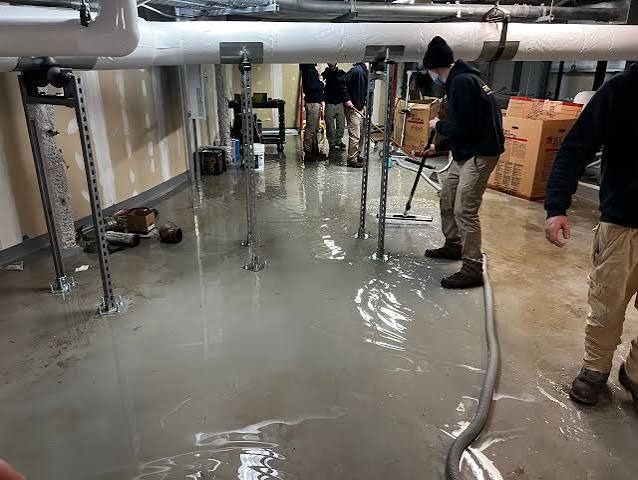
Locating trapped water inside wall cavities, subflooring, and insulation.
Residential Water Damage and Different Types of Flooring
Every flooring material responds uniquely to water exposure. The appropriate restoration approach depends on how much water entered, how long materials remained wet, and what lies underneath:
Carpet
Carpet fibers absorb water rapidly, but the foam or rubber padding underneath acts like a sponge, holding large quantities of moisture. Deep extraction is required to pull water from both carpet and pad before targeted airflow can dry the backing and subfloor.
Hardwood Flooring
Solid and engineered hardwood boards absorb water from the edges and underside, leading to cupping, crowning, or buckling. Specialized floor drying mats and high-vacuum extraction systems draw moisture out from the wood boards and the subflooring beneath.
Laminate Flooring
Water enters through interlocking plank seams and reaches the dense fiberboard core. Because composite cores expand when exposed to standing water, early assessment is essential to determine whether sections can be dried or require replacement.
Tile Flooring
While ceramic and porcelain tiles are water-resistant, moisture penetrates porous grout joints and perimeter expansion gaps, becoming trapped within the thin-set mortar and underlying concrete or wood subfloor.
Vinyl Flooring
Luxury vinyl tile (LVT) and sheet vinyl create an impermeable barrier on top. If water gets underneath through perimeter edges, it becomes trapped against the subfloor, unable to evaporate naturally without professional drying techniques.
Signs Your Home May Still Have Water Damage
If your home experienced a leak or overflow in the past, or if you suspect an undetected plumbing problem, watch for these common indicators of residual moisture:
Damp or Wet Flooring
Floors that feel damp, cool to the touch, or leave socks wet after walking across them.
Swollen Floorboards
Hardwood or laminate planks with raised edges, crowning centers, or visible warping.
Wet Carpet & Saturated Pad
Carpet that squishes when stepped on or feels persistently moist near walls.
Soft Spots on Floors
Areas of subflooring that feel spongy, give way slightly, or creak unexpectedly.
Water Stains on Walls & Ceilings
Yellowish, brownish, or dark rings spreading across drywall surfaces or ceiling panels.
Bubbling or Damaged Drywall
Flaking paint, peeling wallpaper, or soft crumbling sheetrock near the floor.
Damp Baseboards
Baseboard trim that has warped, separated from the wall, or shows discoloration.
Musty Household Odors
Persistent earthy or damp smells that linger in rooms even after air fresheners are used.
Moisture Around Cabinets
Swelling or delamination on kitchen island bases, bathroom vanities, or toe kicks.
Residential Water Damage After a Plumbing Leak
Plumbing leaks are among the most frequent causes of residential water damage. Because indoor plumbing is pressurized, a broken pipe or disconnected hose can release high volumes of water in a matter of minutes.
Understanding the progression of a plumbing leak helps homeowners recognize why prompt professional mitigation is critical:
Progression of a Residential Plumbing Incident:
Common residential plumbing sources include:
- Burst copper or PEX pipes: Pressurized lines in walls or crawlspaces.
- Supply line leaks: Braided metal or plastic lines connected to sinks and toilets.
- Drain line leaks: Cracked PVC or cast iron waste lines leaking behind walls.
- Toilet & sink overflows: Fixture blockages that overflow onto finished floors.
- Washing machine hoses: Ruptured laundry hoses discharging continuous water.
- Water heater failures: Bottom-tank corrosion or valve blowouts.
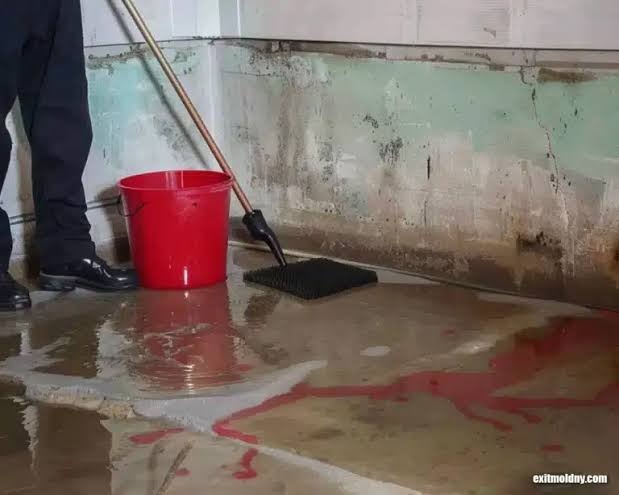
Rapid extraction and drying after indoor pipe breaks and fixture overflows.
Residential Water Damage After Storms or Heavy Rain
South Florida weather can subject residential properties to severe weather-related water intrusion. Heavy tropical rainfall, wind-driven moisture, and hurricanes can force water through roofing, window assemblies, door seals, and ground-level exterior walls.
Residential homes can experience weather-related water damage from:
- Heavy tropical downpours overwhelming gutters and exterior drainage
- Tropical storms and hurricane wind-driven rain penetrating roof vents and sliding doors
- Roof leaks and damaged flashing allowing rainwater into attic spaces and ceilings
- Exterior water intrusion across patio thresholds and foundation perimeters
For major weather flooding and widespread water removal, visit our dedicated Flood Damage Restoration Miami service overview.
Residential vs. Commercial Water Damage Restoration
While the science of moisture extraction and structural drying remains consistent, residential properties require tailored procedures designed for personal living spaces and household contents.
Residential Restoration
Focuses on private living environments, family safety, and personal household contents:
- Single-family homes, townhouses, condominiums, and apartments
- Bedrooms, living rooms, kitchens, and private bathrooms
- Personal belongings, furniture, clothing, rugs, and sentimental items
- Residential flooring like hardwood, plush carpet, and decorative tile
- Minimizing living disruption and restoring family comfort
Commercial Restoration
Focuses on business continuity, large open areas, and regulatory compliance:
- Office buildings, retail stores, restaurants, and medical facilities
- Warehouses, multi-unit complexes, and industrial facilities
- Business inventory, sensitive electronics, and commercial equipment
- Commercial-grade glue-down carpeting and concrete substrates
- Fast-track containment to minimize commercial downtime
What Happens to Belongings After Water Damage?
When water spreads across a home, personal contents and furnishings can be affected. Evaluating belongings promptly helps determine which items can be successfully dried, cleaned, and preserved:
Furniture & Upholstery
Solid wood furniture legs can often be dried and preserved if elevated quickly with protective blocks. Upholstered couches, chairs, and mattresses are evaluated based on the source of water and the depth of saturation.
Area Rugs & Textiles
Area rugs are removed from wet hard floors to prevent color bleeding onto subfloors. Rugs and decorative textiles are assessed for specialized cleaning and controlled drying.
Stored Items & Personal Goods
Items stored in cardboard boxes or lower closet shelves are inspected. Non-porous items (plastic, metal, glass) can generally be cleaned and sanitized, while saturated porous paper goods may require specialized salvage.
*Belongings are assessed individually based on material composition, exposure duration, water source, and whether items can be safely cleaned and dried.
Residential Water Damage Restoration Across Miami
Rapid Dry Miami provides dedicated residential water damage mitigation and restoration services throughout Miami, Miami Beach, Brickell, Coral Gables, Coconut Grove, Hialeah, Kendall, Doral, North Miami, and surrounding Miami-Dade County neighborhoods.
Local Miami Residential Water Damage Specialists
Providing rapid, process-oriented water extraction and structural drying for homes, condos, and apartments across all Miami-Dade communities.
Areas We Serve
Select a Miami-Dade community below to view local flood restoration capabilities:
Miami
Flood cleanup and restoration for homes, condos, apartments, and businesses throughout Miami.
Serving Miami-Dade County
If your property has experienced flooding and your community isn't listed above, Rapid Dry Miami may still be able to help. Contact us to discuss your location and the type of flood damage affecting your property.
Need Flood Damage Restoration in Miami?
Call Rapid Dry Miami today for 24/7 assistance.
Why Choose Rapid Dry Miami for Residential Water Damage?
When water affects your home, having a dedicated restoration team focused on thorough mitigation and clear communication makes all the difference.
Focused on Residential Properties
We understand the unique layout, structural nuances, and personal priorities of homeowners, condo owners, and apartment residents facing sudden water intrusions.
From Water Removal to Drying
Our comprehensive scope goes far beyond surface cleanup. We manage the entire continuum from emergency standing water extraction to controlled structural dehumidification.
Attention to Hidden Moisture
We actively inspect and measure moisture levels inside subflooring, carpet padding, drywall assemblies, and cabinet cavities so no trapped dampness is overlooked.
Different Approaches for Different Materials
Whether dealing with solid hardwood, laminate seams, tile grout lines, carpet padding, or custom cabinetry, we tailor our extraction and drying setup to the specific material.
Restoration-Focused Service
Our overarching goal is to stabilize your home, mitigate damage to building components, and move your living spaces safely and efficiently toward complete pre-damage condition.
Frequently Asked Questions
Clear answers to common questions about residential water damage, extraction, drying, and restoration in Miami.
Frequently Asked Questions About Flood Damage Restoration in Miami
Got questions about our services? Here are some common inquiries we receive from Miami-Dade property owners.
Need immediate emergency assistance?
(786) 434-061624/7 Live Operator • < 45 Min Dispatch in Miami-Dade
Residential water damage restoration is the comprehensive process of addressing water damage inside a home, condominium, or apartment after a leak, overflow, or water intrusion. It involves assessing the affected areas, removing standing water, extracting absorbed moisture from flooring and building materials, cleaning affected spaces, thoroughly drying structural components, and evaluating materials for repair or replacement.
Need Residential Water Damage Restoration in Miami?
A water leak can leave more than standing water behind. Flooring, walls, ceilings, cabinets, carpet, and other materials may still contain moisture after the visible water is gone.
Call Rapid Dry Miami to have your home's water damage assessed and start the cleanup, extraction, drying, and restoration process.