Emergency Flood Water Removal in Miami, FL
If floodwater is sitting inside your home or business, the first question is probably simple: how do I get it out? Standing water can spread through flooded rooms and affect flooring, drywall, furniture, baseboards, and other parts of the property.
Rapid Dry Miami provides emergency flood water removal in Miami, FL for residential and commercial properties. We help remove standing water from affected areas and move the property toward water extraction, moisture checks, and structural drying.
You do not need to figure out how much water has spread or what needs to be removed first. If you have water inside your property, getting the standing water out is an important first step in addressing the flood damage.
Have standing water inside your Miami property? Call Rapid Dry Miami for emergency flood water removal.
Standing Water in Your Miami Property? Get It Removed
When floodwater is sitting on the floor, it can be easy to focus on what you can see. But standing water can spread into flooring, carpet, baseboards, cabinets, furniture, and other building materials before the property ever looks seriously damaged.
The longer water remains in flooded rooms, the more opportunity it has to move into saturated materials and reach areas that are harder to access. Water can also remain beneath flooring or around the subfloor even after the surface appears much drier.
Rapid Dry Miami provides standing water removal in Miami for homes, condos, apartments, and commercial properties. The goal is to remove accessible floodwater from affected areas so the property can move on to the next stages of water extraction, moisture assessment, and structural drying.
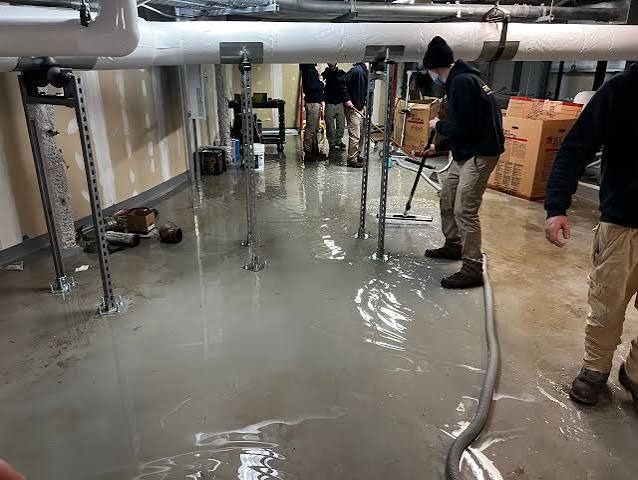
What Can Standing Floodwater Affect?
- Flooring and carpet: Water can collect on and beneath flooring materials, including carpet and underlayment.
- Drywall and baseboards: Floodwater can reach lower wall sections and materials around the floor.
- Cabinets and furniture: Water can spread into the lower portions of cabinets and furniture sitting in flooded areas.
- Subfloors: Water that moves below the visible flooring can leave moisture trapped underneath.
- Other affected materials: The extent of water damage depends on where the floodwater traveled and how long it remained there.
The goal of emergency water removal in Miami is not simply to make the floor look dry. It is to remove accessible floodwater from the property and reduce the amount of water remaining before extraction, drying, and other restoration work begins.
If water is still sitting inside your Miami property, call Rapid Dry Miami for flood water removal services.
What Does Flood Water Removal in Miami Include?
Flood water removal is about more than getting a few inches of water off the floor. The work depends on where the water has collected, how far it has spread, and whether it has moved into flooring or other materials.
Rapid Dry Miami provides flood water removal services for residential and commercial properties in Miami. The process focuses on removing accessible floodwater from affected areas and identifying where additional water extraction or drying may be needed.
Standing Water Removal
Standing water can collect throughout flooded rooms, leaving water accumulation across floors and other low areas of the property. The first step is to remove that accessible water so it does not continue sitting inside the affected space.
Rapid Dry Miami helps with standing water removal in Miami, including water collected on floors and other accessible areas of a flooded property.
Floodwater Pumping
Some flooding leaves a significant amount of water inside the property. In these situations, water may need to be pumped out of flooded areas before the remaining moisture can be addressed.
Flood water pumping focuses on removing accumulated floodwater from the property so restoration work can move forward. The approach depends on the amount of water present and the conditions at the property.
Water Removal From Flooded Rooms
Floodwater does not always stay in one place. It can move between rooms and affect bedrooms, kitchens, bathrooms, living areas, and other parts of a home or business.
Rapid Dry Miami can help with residential water removal and flood water removal from affected indoor areas. Once accessible standing water has been removed, the affected rooms can be evaluated for water that may have moved into flooring, carpet, walls, or other materials.
Water Removal From Flooring
Flooring can hold more water than what is visible on the surface. Depending on the type of flooring and the extent of the flooding, water may reach carpet, hardwood, laminate, tile, underlayment, or the subfloor.
Visible water removal is only part of the process. If water has moved beneath flooring or into a wet subfloor, additional flood water extraction and drying may be necessary to address trapped moisture.
The goal is to remove accessible floodwater first, then determine what additional extraction and drying the affected property needs.
Our Flood Water Removal Process
When floodwater gets inside a property, you may not know how far it has traveled or what has been affected underneath the visible water. Our flood water removal process starts with understanding the situation, removing accessible water, and checking what needs to happen next.
Step 1: Emergency Assessment
We start by assessing the flood damage and looking at the areas affected by standing water. This helps determine where the water has traveled and what parts of the property may require water removal, extraction, or drying.
The goal is to understand the extent of the flooding before restoration work moves forward.
Step 2: Locate Standing Water
Floodwater can collect in more than one room or area. We look for visible water accumulation in flooded rooms and consider areas around flooring, carpet, and other low-lying parts of the property.
This helps identify where accessible floodwater needs to be removed first.
Step 3: Remove Standing Water
Once the affected areas are identified, the focus turns to flood water removal. Standing water is removed from the property to reduce the amount of water sitting on floors and other accessible surfaces.
For properties with significant water accumulation, water pumping may be part of the removal process.
Step 4: Extract Remaining Water
Not all water remains visible after standing water has been removed. Moisture can remain in carpet, flooring, underlayment, and other materials.
This is where flood water extraction in Miami becomes important. Additional extraction can help address water that has been absorbed into or remains around affected materials.
Step 5: Check for Hidden Moisture
A property can look much better after the visible water is gone while moisture remains underneath. Areas such as subfloors, drywall, flooring, and wall cavities may need to be checked for remaining moisture.
Identifying these affected areas helps determine what drying work is needed next.
Step 6: Begin Structural Drying
Once accessible water and remaining moisture have been addressed as much as possible, the property can move into the structural drying stage.
Depending on the conditions, this may involve air movers, dehumidifiers, and moisture monitoring to help dry affected building materials and track progress.
Flood water removal is the first part of getting a flooded property under control. Removing visible water, extracting remaining moisture, and properly drying affected areas all play a role in the restoration process.
Where We Remove Floodwater
Floodwater can affect almost any part of a property. Whether water has entered a single room or spread throughout the building, the first priority is identifying the affected areas and removing accessible standing water.
Rapid Dry Miami provides flood water removal in Miami for homes, condos, apartments, and commercial properties.
Homes and Houses
Flooding inside a home can affect much more than the area where water first entered. Residential water removal may involve flooded floors, carpet, furniture, drywall, baseboards, and other areas where water has collected. For a flooded house, we focus on removing accessible standing water and identifying areas where additional extraction or drying may be needed.
Explore home flood removal →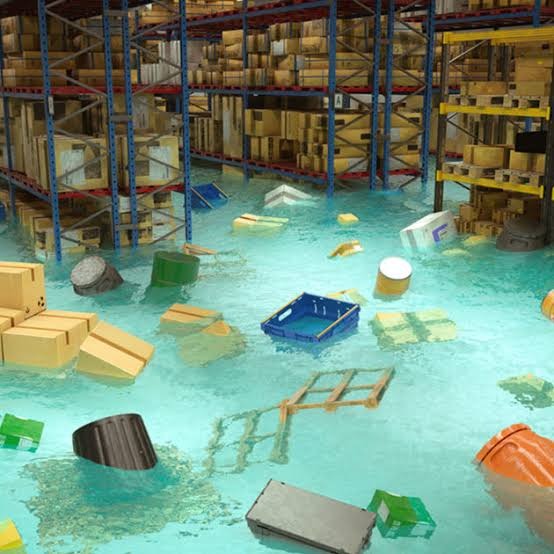
Condos and Apartments
Condos and apartments can present their own challenges when floodwater enters a unit. Water may spread across flooring and reach walls, cabinets, or other areas within the unit. Rapid Dry Miami provides flood water removal for condos, apartments, and high-rise units in Miami, helping address standing water before the property moves into extraction and drying.
Explore condo water extraction →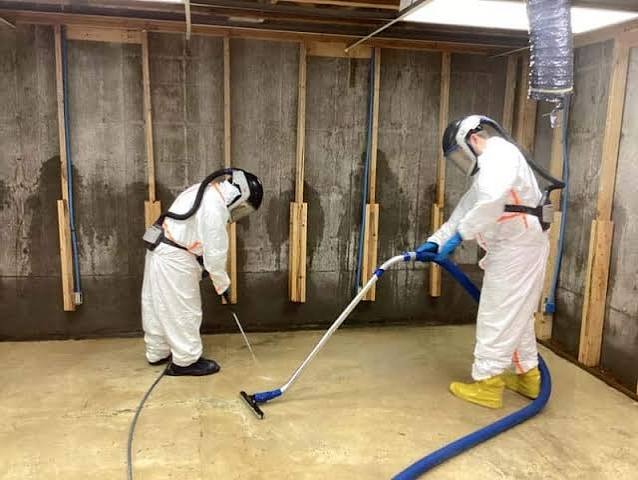
Commercial Properties
Floodwater can disrupt an entire business when it enters an office, retail store, restaurant, warehouse, or other commercial building. Standing water can affect floors, equipment, furniture, inventory, and areas used by employees or customers. Our commercial water removal service focuses on removing accessible floodwater from affected areas so property managers and business owners can begin addressing the next stages of the water damage.
Explore commercial water removal →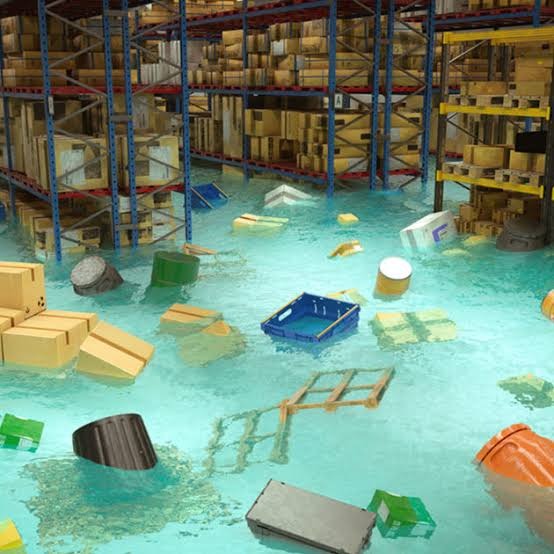
Different Areas of the Property
Floodwater can collect in both obvious and less noticeable areas. Depending on the situation, water removal may be needed in kitchens, bathrooms, bedrooms, living rooms, hallways, storage areas, flooring and carpeted areas, and areas around subfloors. The exact areas affected depend on how the floodwater entered the property and how far it traveled.
Explore room-by-room extraction →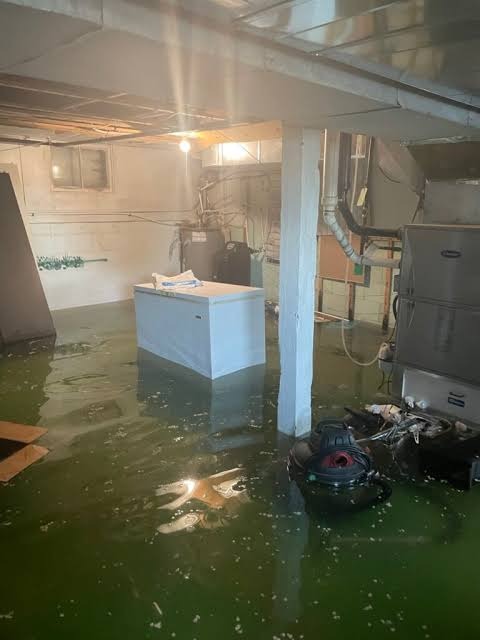
If floodwater has entered your Miami home or business, call Rapid Dry Miami for emergency water removal.
Removing Visible Water Doesn't Mean the Property Is Dry
You can remove the water you see and still have moisture left behind. Floodwater can move underneath flooring, into carpet and underlayment, or into building materials where it is not immediately visible.
For example, a floor may no longer have standing water on its surface while moisture remains in the subfloor underneath. Water can also affect drywall, baseboards, cabinets, and wall cavities depending on how far the floodwater traveled.
Where Can Hidden Moisture Remain?
Some common areas include:
- Under flooring: Water can remain between flooring, underlayment, and the subfloor.
- Carpet and padding: Floodwater can be absorbed into carpet and materials underneath it.
- Drywall and baseboards: Lower wall sections can retain moisture after flooding.
- Cabinets: Water can reach the lower portions of cabinets and surrounding materials.
- Wall cavities: Moisture may move beyond the visible surface and remain inside affected areas.
That is why the restoration process does not stop when the floor looks dry.
Water Removal → Water Extraction → Moisture Detection → Structural Drying
First, accessible standing water is removed. Next, flood water extraction can address water remaining in affected materials. Moisture detection helps identify areas that still need attention, followed by structural drying where necessary.
The goal is to understand what water and moisture remain in the property, not simply make the visible floor look dry.
If you've had flooding in your Miami property and are unsure whether moisture remains, call Rapid Dry Miami to discuss the next step.
Why Miami Properties May Need Fast Flood Water Removal
Flooding in Miami can happen for different reasons, from heavy rainfall and tropical storms to hurricanes, storm surge, coastal flooding, and king tides. When enough water enters a property, standing water can quickly become the immediate problem that needs to be addressed.
Properties in areas such as Miami Beach, Brickell, Coral Gables, Coconut Grove, Hialeah, Kendall, Doral, North Miami, and Little Havana can experience different types of flooding depending on the weather event and local conditions.
Low-lying areas, nearby canals, and areas influenced by Biscayne Bay can also be exposed to changing water conditions during significant weather events.
For a homeowner or business owner, the cause of the flooding matters, but the immediate concern is often the same: there is water inside the property that needs to be removed.
Storm and Hurricane Flooding
Hurricanes and tropical storms can bring heavy rainfall, storm surge, and large amounts of water into affected areas. If floodwater enters a home or business, removing accessible standing water becomes an important first step.
Heavy Rain and Interior Flooding
Heavy rainfall can overwhelm drainage and allow water to enter properties or accumulate around buildings. Once water gets inside, it can spread through rooms and reach flooring, carpet, baseboards, furniture, and other materials.
Coastal Flooding and King Tides
Coastal conditions can also contribute to flooding in vulnerable areas. During coastal flooding or king tide events, water can enter properties or collect around low-lying locations.
Whatever the source, fast flood water removal in Miami helps address the water that has already entered the property before the next stages of extraction, moisture detection, cleanup, and structural drying.
Dealing with storm flooding or standing water in your Miami property? Call Rapid Dry Miami for emergency flood water removal.
Residential & Commercial Flood Water Removal in Miami
From single-family homes and luxury high-rises to active retail storefronts and warehouses, Rapid Dry Miami deploys specialized extraction fleets tailored to every property type.
Residential Flood Water Removal in Miami
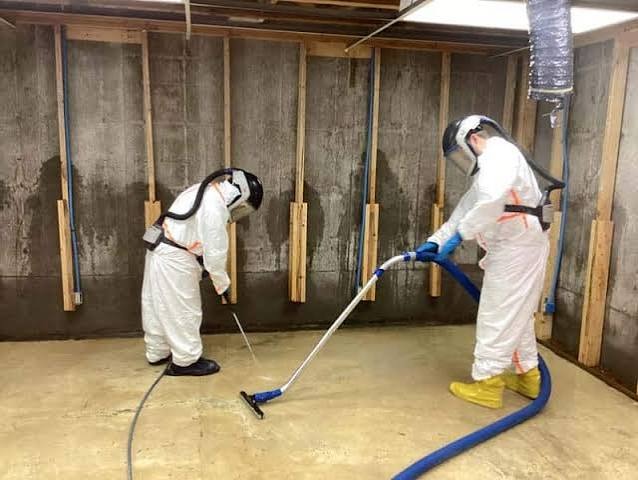
When water gets inside your home, you may not know where it has traveled or what needs to be dealt with first. Maybe there is standing water in the living room, water under the flooring, wet drywall, or furniture sitting in a flooded area. You may simply be trying to figure out how to get your house back under control.
Rapid Dry Miami provides residential water removal for flooded homes, houses, condos, apartments, and townhomes throughout Miami. We focus on removing accessible floodwater from affected areas and identifying where additional water extraction or drying may be needed.
Floodwater Inside Your Home
Floodwater can move through kitchens, bathrooms, bedrooms, hallways, and living areas. What starts as water in one room can spread across flooring and reach other parts of the house.
Water Under Flooring
A floor can look better after standing water has been removed while moisture remains underneath. Water may reach carpet, underlayment, hardwood, laminate, tile, or the subfloor.
Commercial Flood Water Removal in Miami
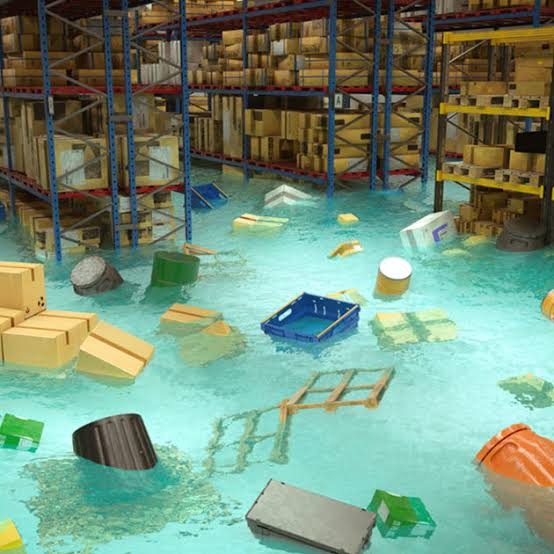
When floodwater gets inside a business, the problem is not limited to the water itself. Standing water can affect work areas, inventory, equipment, flooring, and other parts of the commercial building while employees and customers may be unable to use affected spaces.
Rapid Dry Miami provides commercial water removal for offices, retail stores, restaurants, warehouses, and other commercial properties. The focus is on removing accessible floodwater from affected areas so the property manager or business owner can begin addressing the next stages of the damage.
Protecting Business Operations
A flooded commercial property can create business interruption when employees cannot safely access certain areas or equipment and inventory may be exposed to water.
Flood Water Removal vs. Flood Water Extraction
The terms flood water removal and flood water extraction are sometimes used interchangeably, but they can refer to different parts of the water damage process.
Water Removal → Standing Water • Water Extraction → Water in Saturated Materials
What Is Flood Water Removal?
Flood water removal focuses primarily on getting accessible standing water out of the property. This can include water sitting on floors, water accumulation in flooded rooms, and larger amounts of floodwater that need to be pumped out.
The goal is to remove the visible and accessible water from the affected areas so the property can move forward to the next stage.
What Is Flood Water Extraction?
Flood water extraction focuses more on water that has been absorbed into or remains around materials. Carpet, flooring, underlayment, and subfloors can hold water even after the visible standing water has been removed.
Extraction helps address this remaining water and moisture before the affected materials move into the drying stage.
Which One Does Your Property Need?
In many flooding situations, it is not an either-or decision. A property may first need water removal in Miami to get standing water out, followed by water extraction to address moisture remaining in saturated materials.
The exact process depends on how much water entered the property, where it traveled, and which materials were affected.
Need help with absorbed moisture?
If you need help with water that has been absorbed into flooring, carpet, or other materials, learn more about our Flood Water Extraction Miami service.
When Should You Call for Flood Water Removal in Miami?
If water has entered your property, you do not have to wait until the damage looks severe before getting help. The longer standing water remains inside, the more opportunity it has to spread into flooring and other building materials.
You should consider emergency flood water removal in Miami when:
- Standing water remains inside your home or business.
- Water is covering floors or other flooring surfaces.
- One or more rooms are flooded.
- Floodwater has reached carpet or carpet padding.
- Flooring appears saturated or water has moved underneath it.
- Water is collecting around baseboards, cabinets, or lower walls.
- Floodwater contains dirt, debris, or other visible contaminants.
- Hurricane flooding or stormwater has entered the property.
- A commercial property has standing water that is affecting work areas, inventory, or equipment.
- Water has reached areas near electrical outlets, wiring, appliances, or electrical equipment.
What If Water Is Near Electrical Areas?
Do not enter or walk through standing water if you believe it may be in contact with electrical outlets, wiring, appliances, or other electrical equipment. Avoid the affected area and contact a qualified professional who can address the electrical hazard safely.
Once the area is safe to access, the water removal process can be evaluated based on the amount of water and the areas affected.
Not Sure What Your Property Needs?
Not sure whether the water inside your property requires emergency removal? Call Rapid Dry Miami and discuss the situation with us.
Why Choose Rapid Dry Miami for Flood Water Removal?
When floodwater enters your property, you need more than someone to remove the water you can see. You need to know what areas have been affected and what needs to happen after the standing water is gone. Rapid Dry Miami focuses on the water removal process and the steps that follow it, helping move flooded properties toward extraction, cleanup, drying, and restoration.
Emergency Flood Water Removal
Standing floodwater can make a home or business difficult to use. Rapid Dry Miami provides emergency flood water removal to help address floodwater and standing water in affected areas.
Water Removal & Extraction
Visible standing water and water absorbed into materials are not always the same problem. Our services can address accessible floodwater first, followed by water extraction where water remains in affected flooring, carpet, or other materials.
Professional Equipment
Water removal and drying may require specialized equipment depending on the conditions at the property. The process can involve water extraction equipment, air movers, and dehumidifiers when appropriate for the affected areas.
Moisture Detection
A property can look dry while moisture remains underneath flooring, inside building materials, or in other less visible areas. Moisture detection and monitoring can help identify areas that may require additional drying.
Residential & Commercial Service
Flooding can affect a single-family home, condo, apartment, office, restaurant, retail store, warehouse, or other commercial building. Rapid Dry Miami provides flood water removal for both residential and commercial properties.
From Water Removal to Drying
Flood restoration is a process rather than a single step:
Removing standing water is the starting point. Depending on the condition of the property, additional extraction, cleanup, moisture assessment, and structural drying may be needed afterward.
Flood Damage Restoration Across Miami
Flooding can happen anywhere across the Miami area, from coastal properties affected by storm surge to homes and businesses dealing with heavy-rain flooding farther inland. Rapid Dry Miami provides flood water removal, water extraction, cleanup, and structural drying for residential and commercial properties throughout the Miami area.
Areas We Serve
Select a Miami-Dade community below to view local flood restoration capabilities:
Miami
Flood cleanup and restoration for homes, condos, apartments, and businesses throughout Miami.
Serving Miami-Dade County
If your property has experienced flooding and your community isn't listed above, Rapid Dry Miami may still be able to help. Contact us to discuss your location and the type of flood damage affecting your property.
Need Flood Damage Restoration in Miami?
Call Rapid Dry Miami today for 24/7 assistance.
Frequently Asked Questions About Flood Water Removal in Miami
Common questions regarding emergency standing water removal, subfloor extraction, and commercial flood pumping in Miami-Dade.
Need immediate emergency assistance?
(786) 434-061624/7 Live Operator • < 45 Min Dispatch in Miami-Dade
Floodwater should be addressed as soon as it is safe to access the affected area. Standing water can spread into flooring, carpet, drywall, furniture, and other building materials. Prompt flood water removal helps reduce the amount of water remaining inside the property before extraction and drying.