Sewage Backup Cleanup in Miami, FL
Sewage backing up into your home or business is more than an unpleasant mess. Contaminated water can spread across floors, soak into materials, create strong odors, and affect areas you may not immediately see.
Rapid Dry Miami provides sewage backup cleanup in Miami for residential and commercial properties facing wastewater intrusion. We help address contaminated standing water, sewage extraction, cleaning, disinfection, structural drying, and the next steps needed to restore affected areas.
When a sewer line backs up or drains overflow, prompt and proper mitigation is essential to address contaminated water and protect your property.
Dealing with a sewage backup in Miami? Call Rapid Dry Miami for emergency sewage cleanup.
Sewage Backup Can Affect More Than the Visible Water
When a sewer line or plumbing drain backs up, contaminated wastewater enters the property and spreads quickly. What begins around a toilet, shower drain, floor drain, or sink can quickly reach hallways, adjacent rooms, and deeper building materials.
Because sewage contains organic matter, wastewater, and biological contaminants, it cannot be treated like ordinary clean water. The water can absorb into porous materials, seep beneath finished flooring, and leave residue and odors behind.
How Sewage Contamination Spreads:
Depending on where the sewage entered and how long it remained, affected areas may include:
- Bathroom and kitchen floors: Tile, grout lines, vinyl, laminate, and surrounding trim.
- Carpet and padding: Saturated carpet fibers and absorbent padding underneath.
- Drywall and baseboards: Lower wall sections that absorb contaminated water through wicking.
- Cabinets and vanities: Base panels, toe kicks, and wood assemblies near the backup.
- Subfloor and underlayment: Trapped wastewater holding beneath the visible flooring.
- Furniture and household contents: Belongings that had direct or indirect exposure to the wastewater.
The sewage you can see is often only part of the problem. That is why professional cleanup focuses on identifying everywhere the wastewater reached, extracting standing sewage, decontaminating affected materials, and properly drying the structure.
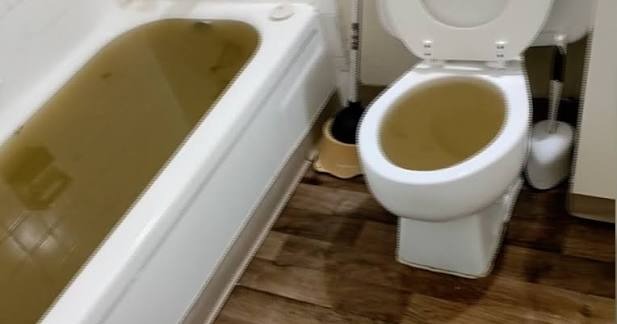
Bathroom Sewage Overflow
Wastewater overflowing fixtures quickly migrates into flooring seams, subfloors, and adjacent rooms.
What to Do When Sewage Backs Up Into Your Property
When sewage backs up indoors, immediate safety precautions should come before anything else. Taking the right initial steps helps protect building occupants and limits the spread of contamination.
Immediate Safety Steps:
- Stay Away From Contaminated Water: Avoid walking through sewage water, standing in puddles, or tracking wastewater into clean areas of the property.
- Keep Children and Pets Away: Ensure children and pets are kept completely away from contaminated rooms, fixtures, and affected flooring.
- Avoid Direct Contact With Sewage: Do not touch backed-up water, saturated items, or residue without professional protective equipment.
- Be Careful Around Electrical Equipment: Never enter standing water near electrical outlets, power cords, appliances, or electrical panels. If turning off power is necessary, only do so if you can safely access the breaker box without entering water or an electrical hazard.
- Stop the Source if It Can Be Done Safely: Turn off fixtures and avoid running water, flushing toilets, or running appliances (such as washing machines or dishwashers) connected to the drain line.
- Contact a Plumber for Plumbing and Sewer Line Repairs: If a clogged line, tree root blockage, or broken pipe caused the backup, a licensed plumber is needed to address the plumbing system.
- Contact a Restoration Company for Sewage Cleanup: Rapid Dry Miami handles the extraction of contaminated water, surface cleaning, disinfection, and structural drying needed to restore the property.
Safety first: Leave the contaminated water extraction and disinfection to professionals.
What Causes Sewage Backup?
A sewage backup occurs when wastewater cannot flow freely away from your property through the drain lines or municipal sewer main. When a blockage or capacity issue happens downstream, the water is forced back up through the lowest plumbing fixtures.
Common Causes of Sewer and Drain Backups:
- Clogged sewer lines: Accumulations of grease, fats, paper products, and foreign objects restricting water flow.
- Blocked drains: Obstructions in secondary branch lines leading to localized backups in showers, tubs, or floor drains.
- Tree root intrusion: Tree roots penetrating pipe joints in underground sewer lines, creating severe blockages.
- Heavy rainfall and stormwater: Tropical downpours and severe rain events that overwhelm city sewer systems and push water back into ground-level properties.
- Overloaded sewer systems: Municipal system capacity surges during high water table conditions or intense storms.
- Damaged or collapsed sewer lines: Broken, shifted, or deteriorating underground pipes restricting drainage.
- Toilet or plumbing backups: Fixture-level clogs causing overflow into living areas.
Regardless of what caused the backup, once wastewater enters your home or business, the resulting water damage and contamination require immediate professional mitigation.
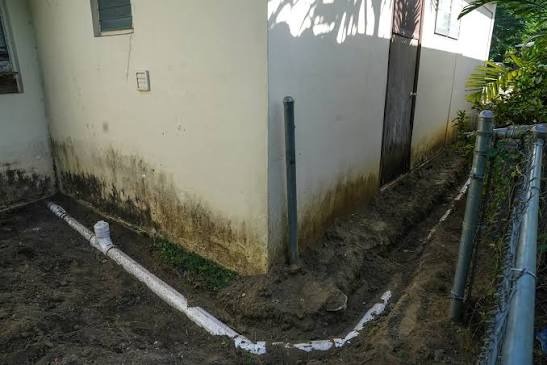
Underground Drainage Line
Main sewer lines running underground are vulnerable to tree root intrusion, settling, and stormwater surges.
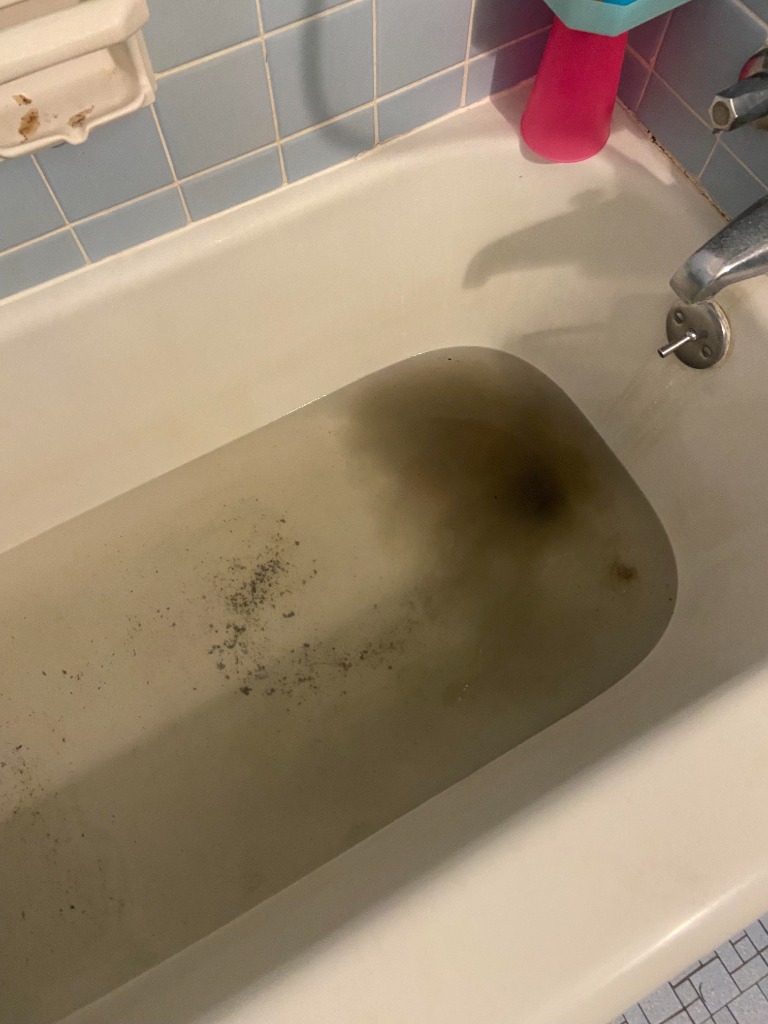
Bathtub Drain Backflow
Wastewater appearing in tubs and lower drains is a classic indicator of a main sewer line obstruction.
Signs of a Sewage Backup
A sewage backup is not always sudden. In many cases, early warning signs appear in plumbing fixtures before contaminated water overflows into living areas.
Signs Your Property May Have a Sewage Backup:
- Sewage coming from drains: Murky or dirty water bubbling up in bathtubs, showers, or sinks.
- Toilets backing up: Toilets that overflow or do not flush properly despite plunging.
- Water backing up from floor drains: Wastewater pooling around basement, garage, or laundry floor drains.
- Slow drains across multiple fixtures: Sinks, showers, and tubs draining unusually slowly at the same time.
- Gurgling drains: Bubbling or gurgling sounds coming from toilet bowls or drains when water is used elsewhere.
- Persistent sewage odor: Foul, musty, or sewer gas smells coming from drain openings or rooms.
- Contaminated standing water: Dark, discolored water pooling on floors or around fixtures.
- Wet spots around drains: Dampness or residue accumulating around floor cleanouts or plumbing bases.
- Water appearing after heavy rainfall: Water backing up into ground-floor fixtures during or right after intense Miami rains.
If you notice these warning signs or have active wastewater on your floor, contact Rapid Dry Miami immediately for emergency sewage cleanup.
What Does Sewage Backup Cleanup Include?
Sewage cleanup requires a systematic approach to extract contaminated water, remove biohazard residue, disinfect surfaces, and restore the property to a dry, sanitary condition.
Sewage Water Removal
Pumping out and removing contaminated standing water from flooded rooms, hallways, bathrooms, and commercial floor areas using heavy-duty extraction equipment.
Sewage Extraction
Extracting remaining wastewater from affected flooring, carpet, padding, underlayment, and subfloor materials where moisture has begun absorbing beyond the surface.
Sewage Cleanup
Removing sewage debris, biohazard residue, dirt, and unsalvageable contaminated porous items from the cleanup area to prepare surfaces for deep cleaning.
Cleaning and Disinfection
Applying professional antimicrobial agents, botanical sanitizers, and EPA-registered disinfectants to treat affected hard surfaces, framing, and building components.
Structural Drying
Deploying commercial air movers and industrial dehumidifiers to eliminate remaining moisture trapped within concrete slabs, framing studs, drywall, and subfloors.
Affected Material Assessment
Carefully evaluating flooring, drywall, baseboards, cabinets, and insulation to determine which materials can be sanitized and dried versus those that require removal and replacement.
From Sewage Backup to Restored Property
The core cleanup architecture follows:
Our Sewage Backup Cleanup Process in Miami, FL
A structured cleanup protocol ensures all wastewater is removed, biohazards are eliminated, and structural moisture is addressed thoroughly.
1. Assess the Contamination
We identify where sewage entered the property, trace the full perimeter of wastewater migration, and determine which rooms, flooring types, walls, and materials are affected.
2. Contain the Affected Area
We isolate the contaminated zones to prevent foot traffic from spreading sewage residue and airborne odors into unaffected parts of the home or business.
3. Remove Sewage and Standing Water
Using high-power extraction units and containment pumps, we extract standing wastewater, sewage liquids, and accessible solid debris from all affected spaces.
4. Clean Affected Surfaces
We deep-clean exposed structural surfaces, tile, concrete slabs, and salvageable framing components to eliminate remaining residue and film.
5. Disinfect and Sanitize
We apply broad-spectrum EPA-registered antimicrobial solutions and hospital-grade sanitizers to neutralize bacteria, pathogens, and biological contaminants.
6. Dry the Property
We place commercial air movers and industrial Low Grain Refrigerant (LGR) dehumidifiers to pull trapped moisture out of subfloors, concrete, framing, and wall cavities.
7. Assess Damaged Materials
We evaluate saturated drywall, baseboards, cabinets, carpet padding, and flooring to establish what can safely be preserved versus what requires removal.
8. Move Toward Restoration
Once the area is verified clean, sanitary, and structurally dry, the property is ready for repairs, flooring replacement, and finishing.
Sewage Backup vs. Regular Water Damage
Not all water damage scenarios require the same approach. Understanding the difference between clean water leaks and sewage backups helps explain why sewage cleanup demands specialized safety and sanitation protocols.
Regular Water Damage
Typically originates from clean or greywater sources, such as:
- Supply line breaks or copper pipe leaks
- Water heater ruptures
- Appliance overflows (washing machines, ice makers)
- Rainwater roof leaks
Primary focus: Fast extraction, moisture detection, and structural drying before secondary mold develops.
Sewage Backup (Contaminated Water)
Involves wastewater, sewer mains, or drain lines entering the property:
- Contains biological waste, bacteria, viruses, and pathogens
- Requires immediate containment and personal protective equipment
- Demands hospital-grade sanitization and antimicrobial disinfection
- Requires careful material evaluation for non-salvageable porous items
Primary focus: Biohazard containment, sewage removal, thorough disinfection, and deep structural drying.
Sewage Can Travel Beyond the Visible Damage
The visible puddle on the bathroom or kitchen floor is often just the surface indicator. Liquid wastewater flows through cracks, under baseboards, and into porous construction materials.
Beneath Flooring & Underlayment
Wastewater seeps through seams in tile, luxury vinyl, laminate, and hardwood. Moisture and biological residue become trapped between the flooring layer and the subfloor.
Carpet Padding
Carpet padding acts like an open sponge. When sewage reaches a carpeted room, the padding absorbs contaminated liquid and holds it directly against the concrete slab or wood subfloor.
Subfloors
Plywood, OSB, and concrete subfloors can absorb moisture and bacteria. If not accessed and dried properly, subfloors can retain dampness and persistent odors.
Behind Baseboards & Inside Wall Cavities
Wastewater pooling along room perimeters moves behind baseboards and wicks up the bottom edge of drywall. Water can enter open wall cavities and reach framing studs and fiberglass insulation.
Cabinets and Vanities
Kitchen cabinets and bathroom vanities often have enclosed toe-kick cavities. Sewage can flow underneath these fixtures where standard cleaning tools cannot reach without professional inspection.
The visible sewage may be the easiest part of the problem to see, but not necessarily the entire affected area.
How Sewage Can Affect Flooring
Not every floor reacts the same way when exposed to wastewater. The flooring material, porosity, duration of exposure, and whether sewage penetrated beneath the surface determine the appropriate course of action.
Carpet and Padding
Carpet and padding absorb contaminated water rapidly. In most Category 3 sewage situations, porous carpet padding cannot be effectively sanitized and requires removal. The carpet itself is evaluated based on the level of contamination and backing condition.
Hardwood Flooring
Wastewater can penetrate the expansion gaps and tongue-and-groove joints between hardwood planks. Moisture can cause cupping or buckling, while contaminated moisture in the subfloor requires specialized drying and disinfection.
Laminate Flooring
Laminate flooring consists of dense fiberboard cores that swell when exposed to water along seams. Contaminated wastewater often enters beneath the laminate underlayment, requiring removal to allow subfloor drying and sanitization.
Vinyl and LVP
While luxury vinyl planks are moisture-resistant on the surface, wastewater can seep through joints and become trapped underneath the waterproof barrier. The floor may need to be lifted to clean and dry the underlying subfloor.
Tile and Grout
Ceramic and porcelain tile surfaces are non-porous, but unsealed grout lines can absorb wastewater. Deep sanitization, pressure washing with extraction, and subfloor moisture checks are essential around tiled bathrooms and kitchens.
Underlayment and Subfloor
The subfloor represents the structural base beneath your finished floor. Whether concrete or wood, subfloors must be thoroughly sanitized, checked with digital moisture meters, and dried before new flooring is installed.
Why Sewage Backup Can Leave Persistent Odors
A sewage backup often leaves strong, lingering odors behind. Understanding why odors persist helps explain why masking scents or superficial cleaning is not enough.
Sewage odors stem from organic residue, bacteria, and volatile organic compounds released by wastewater. When sewage enters a room, these particles become absorbed into porous surfaces such as drywall, baseboards, floor underlayment, carpet padding, and textiles.
Even after the surface is mopped, moisture and microscopic residue trapped inside building materials continue releasing odors until the source is completely removed, surfaces are sanitized, and the structure is fully dried.
Proper odor mitigation involves:
- Extracting all wastewater from affected surfaces and underlying layers.
- Removing unsalvageable contaminated materials (such as soaked carpet pad or swollen baseboards).
- Applying antimicrobial and disinfectant agents that eliminate odor-causing bacteria at the biological level.
- Thorough structural dehumidification to eliminate the moisture environment that sustains odors.
Residential Sewage Backup Cleanup in Miami
A sewage backup in a home, condominium, or apartment can disrupt daily life immediately. Rapid Dry Miami provides prompt residential sewage cleanup to restore safety and cleanliness to your living space.
Whether wastewater backed up into a single bathroom, flooded through a kitchen, or overflowed multiple floor drains, our technicians arrive equipped to handle the cleanup from extraction to complete structural drying.
Residential Areas We Address:
- Bathrooms: Toilets, showers, bathtubs, tile floors, vanities, and baseboards.
- Kitchens: Drain backups, under-sink cabinets, tile, and flooring assemblies.
- Laundry and utility rooms: Washing machine drain overflows and floor drain backups.
- Hallways and living areas: Saturated carpet, hardwood, baseboards, and lower drywall.
- Condominium units: Floor-to-floor drainage backups and shared plumbing stacks.
If your Miami home or condo is dealing with backed-up sewage, call Rapid Dry Miami now to begin cleanup and sanitization.
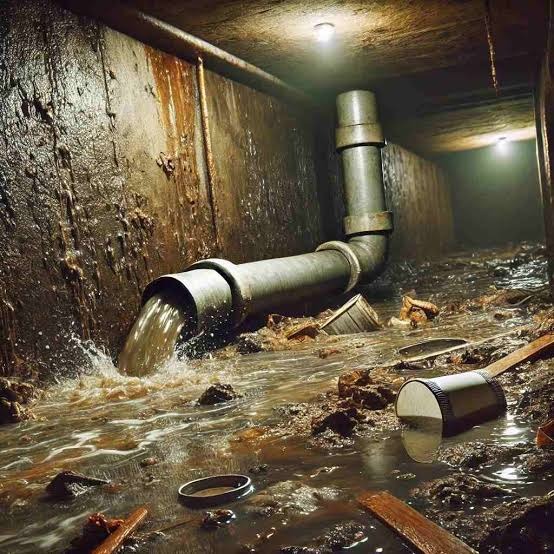
Commercial Sewer Discharge
Mainline commercial sewer pipe discharges require heavy-duty extraction and sanitization to protect operations.
Commercial Sewage Backup Cleanup in Miami
A sewer backup in a commercial building can force temporary closures, create health and safety concerns for employees and customers, and disrupt core business operations.
Rapid Dry Miami provides commercial sewage backup cleanup for businesses across Miami, focusing on rapid containment, thorough extraction, sanitation, and drying so operations can resume safely.
Commercial Spaces We Serve:
- Restaurants & Hospitality: Commercial kitchens, restrooms, grease traps, and dining rooms.
- Retail Stores & Malls: Sales floors, stockrooms, restrooms, and customer areas.
- Office Buildings: Multi-stall restrooms, corridors, utility closets, and suites.
- Warehouses & Industrial Facilities: Floor drain overflows and commercial facilities.
- Medical & Professional Clinics: Sanitation-sensitive facilities requiring strict decontamination.
Sewage Backup Cleanup Across Miami & Miami-Dade County
Rapid Dry Miami provides emergency sewage cleanup across Miami and surrounding communities throughout Miami-Dade County.
Areas We Serve
Select a Miami-Dade community below to view local flood restoration capabilities:
Miami
Flood cleanup and restoration for homes, condos, apartments, and businesses throughout Miami.
Serving Miami-Dade County
If your property has experienced flooding and your community isn't listed above, Rapid Dry Miami may still be able to help. Contact us to discuss your location and the type of flood damage affecting your property.
Need Flood Damage Restoration in Miami?
Call Rapid Dry Miami today for 24/7 assistance.
Why Choose Rapid Dry Miami for Sewage Backup Cleanup?
A sewage backup requires more than general cleaning. Rapid Dry Miami brings the equipment, methods, and process needed to address wastewater safely.
Focused on Sewage-Related Water Damage
Our team understands the specific requirements of wastewater mitigation, including biohazard containment, extraction, deep cleaning, and decontamination.
Sewage Removal and Extraction
We deploy commercial-grade pumps and deep extraction units to remove contaminated standing water and absorbed liquids from flooring and construction assemblies.
Cleaning and Disinfection
We use hospital-grade disinfectants and antimicrobial treatments designed to eliminate bacteria, viruses, and pathogens left behind by sewer water.
Attention to Hidden Contamination and Moisture
We inspect beneath flooring, behind baseboards, and within wall cavities to ensure no trapped sewage moisture is overlooked.
Residential and Commercial Properties
From private homes and high-rise condominiums to restaurants and large commercial buildings, we have the capacity to handle backups of any scale.
From Cleanup Toward Structural Drying
Removing water is only part of the process. We continue through complete structural dehumidification to ensure framing, subfloors, and walls return to dry standards.
Frequently Asked Questions About Flood Damage Restoration in Miami
Got questions about our services? Here are some common inquiries we receive from Miami-Dade property owners.
Need immediate emergency assistance?
(786) 434-061624/7 Live Operator • < 45 Min Dispatch in Miami-Dade
Stay away from the contaminated water and keep children and pets out of the affected area. Avoid walking through wastewater or touching affected items. If you can safely reach the main water valve without entering water or an electrical hazard, shut off the water supply. Contact a plumber if the sewer line or plumbing fixture needs repair, and contact a restoration company to handle the sewage extraction, cleaning, and decontamination.
Need Sewage Backup Cleanup in Miami?
Sewage backup can spread contaminated water through floors, walls, flooring, and other affected materials.
Call Rapid Dry Miami to get the affected area assessed and start the sewage cleanup process.