Flood Damage Restoration in Miami, FL
Flooding can leave you wondering what needs to happen first. There may be water inside the property, damaged flooring, wet walls, affected belongings, and areas you cannot tell are damaged yet.
Rapid Dry Miami provides flood damage restoration for homes and businesses in Miami. We help address the different stages of flood damage, from water removal and extraction to cleanup, structural drying, and restoration of affected areas.
If your property has been affected by flooding, you do not have to figure out the entire restoration process on your own.
Have flood damage in your Miami property? Call Rapid Dry Miami to get started.
Flood Damage Can Affect More Than What You See
When floodwater enters a Miami property, the visible standing water is only part of the problem. Flooring, drywall, baseboards, cabinets, furniture, and personal belongings can all be affected, even after the water is no longer visible.
Some damage can also be hidden. Water may remain beneath flooring, inside wall cavities, or within other building materials. Saturated materials can continue holding moisture long after the surface appears dry.
That is why flood damage assessment matters. The goal is to understand which areas were affected, what materials have absorbed water, and where hidden moisture may still be present.
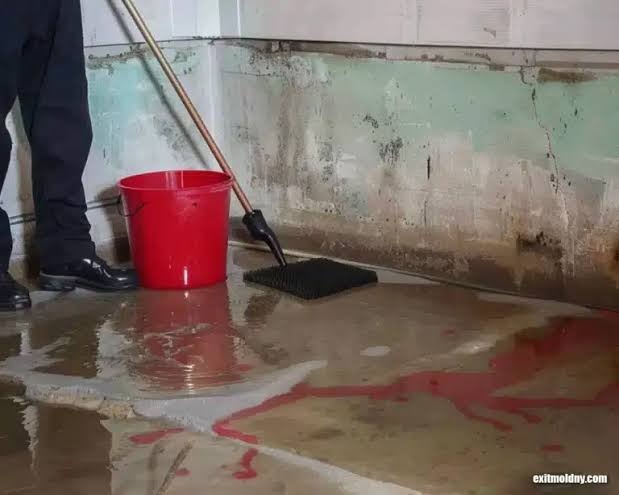
Flood damage can involve:
- Damaged or swollen flooring
- Wet drywall and baseboards
- Moisture beneath flooring or in the subfloor
- Saturated cabinets and other wood materials
- Water-damaged furniture and personal belongings
- Moisture remaining in affected building materials
The important thing is not just whether you can still see floodwater. It is whether the property and its materials have been properly assessed after the flooding.
If your Miami property has visible flood damage or you are concerned about moisture you cannot see, Rapid Dry Miami can help assess the affected areas and determine the next steps in the restoration process.
What Does Flood Damage Restoration in Miami Include?
Flood damage restoration is more than dealing with the water that entered the property. Once flooding occurs, the property needs to be assessed to understand where the water reached, which materials were affected, and what needs to happen next.
Flood Damage Assessment
The first step is understanding the extent of the flood damage. A flood damage assessment helps identify affected areas and determine how the water impacted the property and its building materials.
This may include checking:
- Areas where floodwater entered the property
- Flooring, walls, drywall, and baseboards
- Subfloors and other materials that may hold moisture
- Cabinets, furniture, and affected contents
- Areas where moisture may not be immediately visible
A proper flood damage inspection helps determine whether the property needs water removal, extraction, cleanup, drying, repairs, or a combination of these steps. For a property affected by flooding, the assessment gives the restoration process a clear starting point: identify the damage, understand the water impact, and determine what needs to be restored.
Flood Water Removal
Once the flood damage has been assessed, the next step may be removing standing water from the affected areas. Flood water removal in Miami focuses on getting accumulated floodwater out of flooded rooms and other accessible areas of the property.
Standing water can spread into additional areas and continue affecting flooring, walls, furniture, and other building materials. Removing it helps clear the property for the next stages of restoration.
Flood water removal may involve:
- Removing standing water from flooded rooms
- Pumping out accumulated floodwater
- Clearing water from affected areas
- Addressing water accumulation in low areas of the property
- Preparing the property for further extraction, cleanup, and drying
If your property still has visible floodwater, learn more about our flood water removal service and what the process involves.
Flood Water Extraction
Removing standing water does not always remove all the water a property has absorbed. Flood water extraction in Miami focuses on extracting remaining water from materials such as carpet, flooring, underlayment, and subflooring.
Water can become trapped below the surface or absorbed into saturated materials. If residual moisture remains, affected areas may continue to have problems even when the property looks dry.
Flood water extraction may address:
- Saturated carpet and flooring
- Water trapped beneath flooring
- Moisture in underlayment
- Wet or affected subfloor materials
- Remaining water in areas affected by flooding
The goal is to remove as much remaining water as possible from affected materials before the property moves into cleanup and structural drying. If you are dealing with water trapped in flooring or saturated materials, learn more about our flood water extraction service.
Flood Cleanup
Once floodwater and excess moisture have been addressed, the property may still need thorough flood cleanup in Miami. Flooding can leave behind debris, dirt, residue, and affected contents that need to be dealt with before the property can be properly restored.
Flood cleanup may include:
- Removing flood debris from affected areas
- Cleaning surfaces exposed to floodwater
- Cleaning affected flooring, walls, and other materials
- Handling affected contents and belongings
- Sanitizing appropriate surfaces after cleanup
- Cleaning areas impacted by contaminated floodwater
The extent of cleanup depends on where the floodwater reached and what it carried into the property. Some areas may require more attention than others, particularly when floodwater has contacted building materials or household contents. For a property that needs post-flood cleanup, see our flood cleanup service to learn what the cleanup process can involve.
Structural Drying
Even after water removal, extraction, and cleanup, moisture can remain inside building materials. Structural drying in Miami focuses on drying affected areas and reducing the remaining moisture within the property.
Depending on the situation, structural drying may involve:
- Drying affected building materials
- Using air movers to promote airflow
- Using dehumidifiers to help control moisture
- Checking moisture levels in affected areas
- Monitoring materials as the property dries
Moisture can remain in places that are not obvious from the surface, including flooring, drywall, subfloors, and other parts of the structure. Moisture monitoring helps determine whether affected materials are continuing to dry. Proper drying is an important part of the flood damage restoration process because the property needs to be sufficiently dry before damaged areas can be evaluated for repair or restoration. Learn more about our structural drying service for properties affected by flooding.
Flood Damage Repair
Once the affected areas have been cleaned and properly dried, the next step may be flood damage repair in Miami. Flooding can leave some building materials too damaged to remain in place, while other areas may only need repairs or restoration.
Flood damage repairs can involve affected:
- Drywall and walls
- Flooring and subfloor materials
- Cabinets and other built-in materials
- Baseboards and interior surfaces
- Other building materials damaged by floodwater
The repair process depends on the extent of the damage and the condition of the affected materials. Some materials may be repairable, while others may need to be replaced.
The Overall Restoration Progression
Assessment → Water Removal → Extraction → Cleanup → Structural Drying → Repair
Each stage addresses a different part of the problem, helping move the property from being affected by flooding toward restoration.
Our Flood Damage Restoration Process
When a property has been flooded, it can be difficult to know what needs to happen first. Water may be visible in some areas while other materials are already saturated. Our flood damage restoration process follows the condition of the property from the initial assessment through drying and repairs.
Step 1: Assess the Flood Damage
We start by assessing the property to understand where the flooding reached and which areas may have been affected. This includes looking at visible flood damage, building materials, flooring, walls, and areas where moisture may remain.
The goal is to identify the affected areas and determine the extent of the flooding before restoration work moves forward.
Step 2: Remove Standing Floodwater
If standing water remains, the next step is to remove accessible floodwater from flooded rooms and other affected areas. This may involve pumping out accumulated water and clearing standing water from the property.
Getting the visible water out allows the restoration process to move to the materials that may have absorbed or retained moisture.
Step 3: Extract Remaining Water
Water can remain in carpet, flooring, underlayment, and subfloor materials even after standing water has been removed. Extraction focuses on water that has been absorbed or become trapped within affected materials.
This helps address saturated areas that cannot be resolved simply by removing visible water.
Step 4: Clean Affected Areas
Flooding can leave behind debris, dirt, residue, and other contaminants. Affected surfaces and areas are cleaned, while flood debris is removed from the property.
Where appropriate, cleaning and sanitization are also part of the post-flood cleanup process.
Step 5: Dry the Property
The property then needs to be properly dried to address remaining moisture. Depending on the situation, structural drying may use air movers, dehumidifiers, and moisture monitoring to help dry affected building materials.
Moisture levels can be checked during the drying process rather than relying only on whether a surface feels dry.
Step 6: Restore Damaged Areas
After affected areas have been addressed and sufficiently dried, the remaining damage can be evaluated for repair or replacement.
This may include damaged drywall, flooring, cabinets, walls, and other building materials. The objective is to restore the affected areas and move the property toward normal use again.
Assessment → Water Removal → Extraction → Cleanup → Drying → Repair
That sequence is what makes flood damage restoration different from simply removing standing water. Each stage addresses a different part of the damage left behind by flooding.
Types of Flood Damage We Handle
Flood damage can affect different parts of a property in very different ways. Water may damage the interior, soak into flooring and subfloors, reach inside walls, or affect furniture and other belongings. Identifying the type of damage helps determine what needs to be cleaned, dried, repaired, or replaced.
Interior Flood Damage
Interior flood damage can affect almost any area where floodwater enters a property. Flooded rooms may have damaged flooring, wet drywall, affected walls, or furniture and cabinets that have been exposed to water. Common interior flood damage can include water inside living areas, bedrooms, kitchens, and bathrooms, damaged flooring and interior surfaces, wet drywall and baseboards, and affected cabinets and furniture.
Explore interior flood mitigation →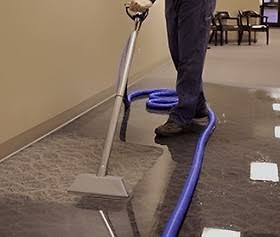
Flooring and Subfloor Damage
Flooring can be particularly vulnerable when floodwater enters a property. Water may move beneath the surface and reach the underlayment or subfloor, leaving materials saturated even when the top of the floor appears relatively dry. Flood-damaged flooring may include carpet, hardwood, laminate, tile, underlayment, and subfloor materials.
Explore subfloor drying protocols →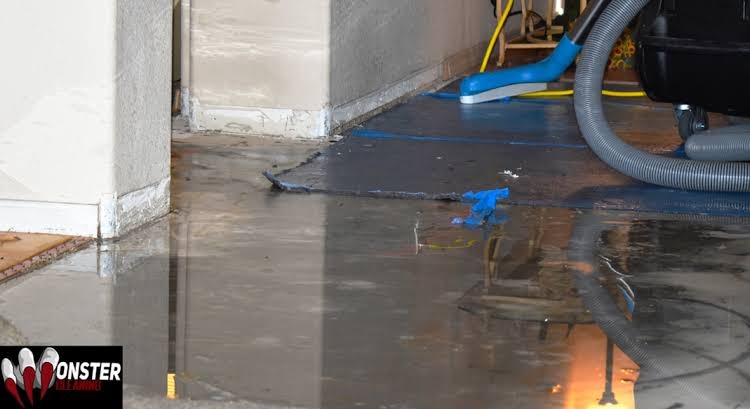
Wall and Drywall Damage
Floodwater can also affect walls and the materials behind them. Flood-damaged drywall may become wet, swollen, stained, or otherwise affected after contact with water. Areas of concern can include drywall, baseboards, wall cavities, insulation, and other materials inside or around the walls.
Explore wall cavity restoration →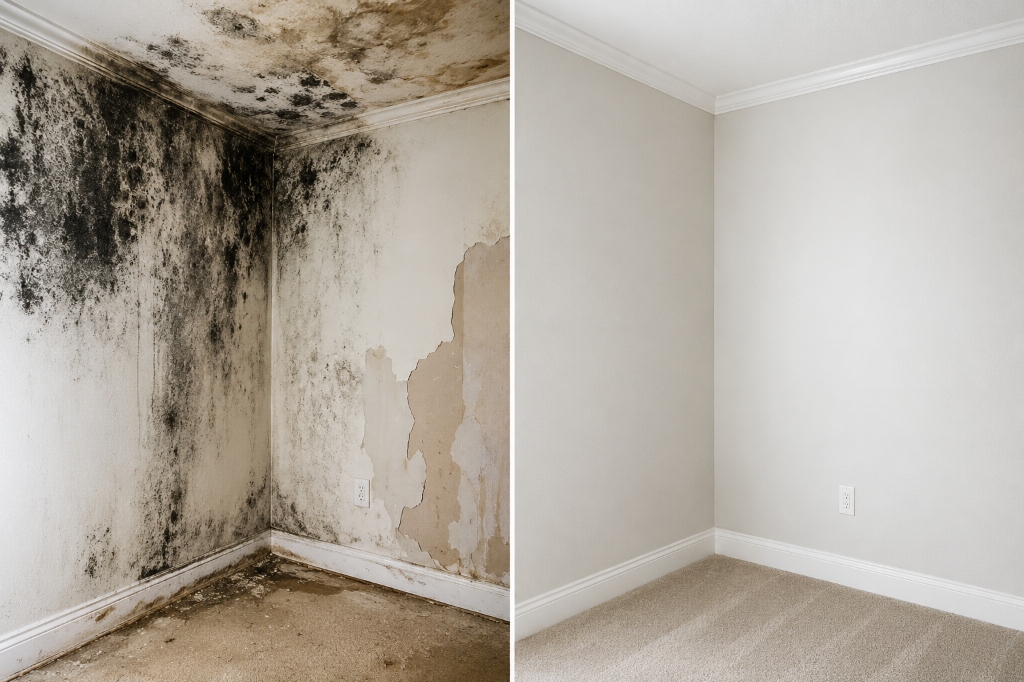
Contents and Personal Property
Flooding does not only damage the building itself. Furniture, appliances, personal belongings, and other household contents can also be exposed to floodwater. Flood-damaged belongings may include furniture, appliances, household contents, personal belongings, and business inventory.
Explore contents restoration →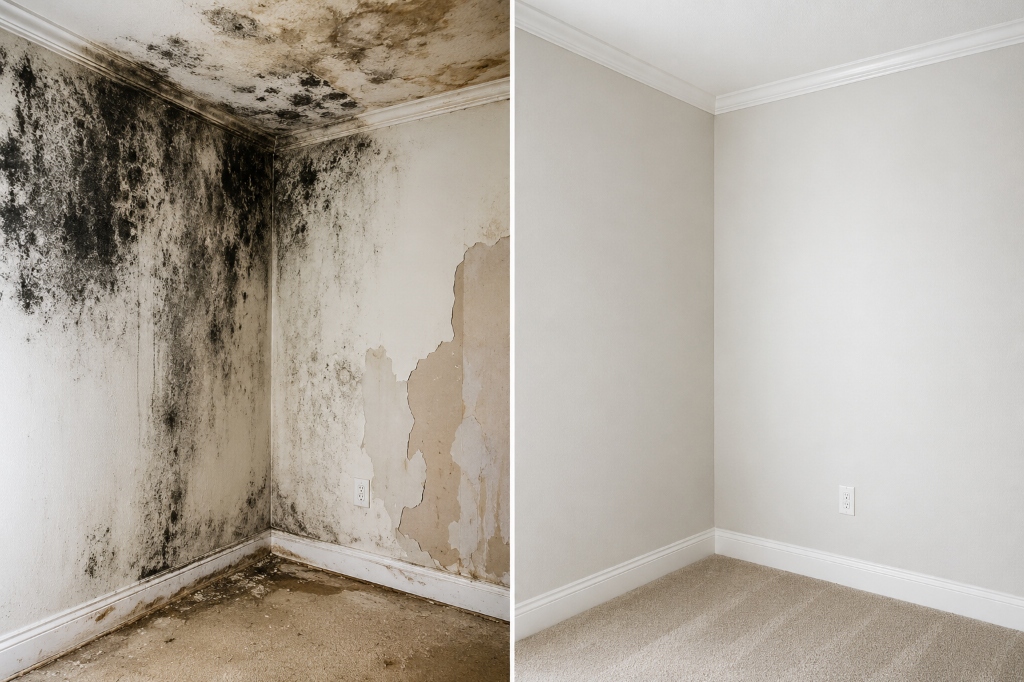
Flood Damage Restoration for Miami Properties
Residential Flood Damage Restoration in Miami
A flooded home can become overwhelming quickly. You may be dealing with standing water in one room, damaged flooring in another, wet drywall, furniture that has been exposed to water, and belongings you are not sure can be saved.
Residential flood damage restoration in Miami addresses the property as a whole rather than focusing on only one affected area. The first step is to assess where the water reached and which parts of the home have been affected.
- Assessing flood damage throughout the home
- Addressing water inside the house
- Checking flooring and areas where water may have moved underneath
- Evaluating wet drywall, walls, and baseboards
- Cleaning affected rooms and surfaces
- Drying affected building materials
- Evaluating damaged flooring, cabinets, and other materials
- Addressing affected furniture and household contents
If your home has been affected by flooding, Rapid Dry Miami can help you get started with the residential flood damage restoration process.
Commercial Flood Damage Restoration in Miami
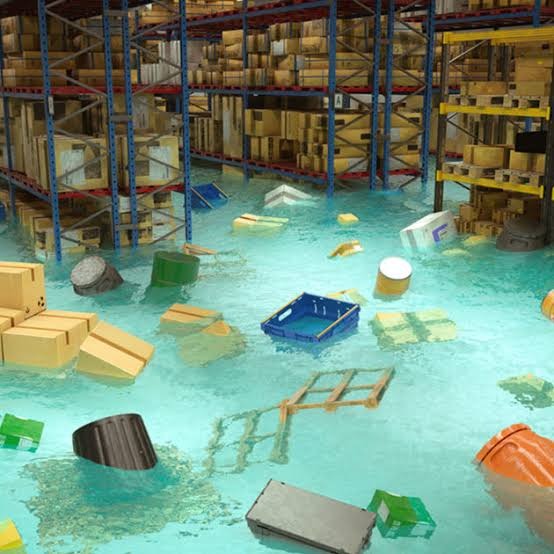
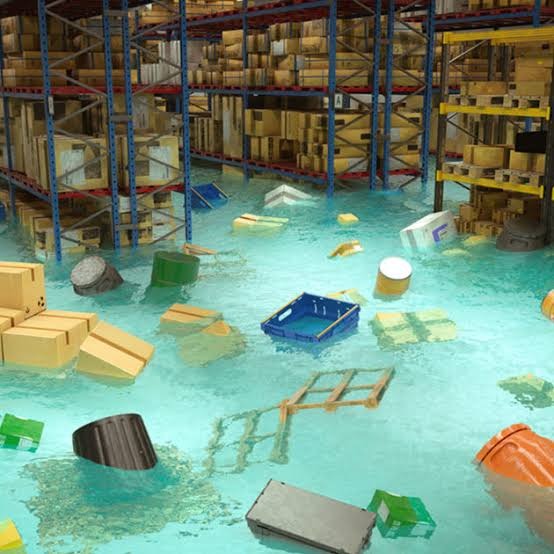
Flooding at a business can create problems beyond the building itself. Employees may be unable to use affected areas, customers may be impacted, inventory can be exposed to water, and equipment may need to be evaluated.
Commercial flood damage restoration in Miami focuses on understanding the condition of the commercial property and addressing the areas affected by flooding.
- Assessing the flooded commercial property
- Addressing affected work areas
- Evaluating flooring, walls, and other building materials
- Cleaning areas affected by floodwater and debris
- Drying the commercial building and affected materials
- Evaluating damaged inventory and equipment
- Repairing or restoring affected areas of the property
If your business has experienced flooding, Rapid Dry Miami provides commercial flood restoration for affected commercial properties in Miami.
What Causes Flood Damage in Miami?
Miami properties can experience flooding from several sources. Hurricanes, heavy rainfall, coastal conditions, and rising water can all allow water to enter homes and businesses. Once floodwater reaches the property, it can affect flooring, walls, contents, and other building materials.
Hurricane Flooding
Hurricanes and tropical storms can bring heavy rain, strong winds, and large amounts of water. Hurricane flooding can quickly affect homes and commercial buildings, creating the need for flood damage assessment and restoration.
Heavy Rainfall
Intense rainfall can overwhelm drainage systems and allow water to collect around or enter a property. Heavy rainfall may lead to interior flooding, damaged flooring, wet walls, and other property damage.
Storm Surge
Storm surge can push water inland during coastal storms. When storm water enters a property, it can affect building materials, furniture, and personal belongings.
Coastal Flooding
Miami's coastal location means some properties can be affected by coastal flooding. Water from coastal areas, canals, or nearby Biscayne Bay can reach low-lying properties under certain conditions.
King Tides
Higher-than-normal tides, commonly known as king tides, can increase water levels in vulnerable areas. When water reaches a property, even without a major storm, affected areas may require assessment and restoration.
Whatever the cause, the result is similar: water enters the property, materials and contents can become affected, and the damage needs to be assessed before restoration can begin.
Signs You May Need Flood Damage Restoration
Not all flood damage is obvious. You may see standing water or visibly damaged flooring, but other problems can appear later as moisture remains inside the property. Paying attention to changes in the building can help you recognize when further flood damage restoration may be needed.
Flooring Feels Wet or Swollen
Flooring that feels damp, soft, raised, or swollen can indicate that water has affected the flooring layers. Water may also have moved underneath the surface and reached the underlayment or subfloor.
Drywall or Walls Remain Damp
Wet drywall, damp walls, or moisture around baseboards can indicate that floodwater reached materials that have not fully dried.
New Water Stains Appear
Water stains on walls, ceilings, or other surfaces can be a sign that moisture remains or that previously affected materials are showing the effects of flooding.
A Musty Smell Develops
A persistent musty smell after flooding can indicate lingering moisture in flooring, walls, carpet, or other affected materials.
Water Remains Under Flooring
If flooring remains damp or you suspect water under flooring, the surface may not tell the entire story. Moisture can remain in the subfloor or other layers beneath the visible flooring.
The Property Still Feels Unusually Humid
If the property continues to feel unusually humid after the floodwater is gone, there may still be lingering moisture inside affected materials or areas of the structure.
Visible Damage Continues to Change
Swollen flooring, damp materials, peeling surfaces, or worsening water stains can indicate that the effects of the flooding have not been fully addressed.
If you notice these signs after flooding, the next step is to determine where the moisture is coming from and which areas or materials have been affected. A flood damage assessment can help identify visible damage as well as moisture that may not be immediately apparent.
What Happens to a Property After Flooding?
After flooding, the property usually needs more than just the visible water removed. The next steps depend on how far the water traveled, which materials were affected, and whether moisture remains inside the property.
The Standard Restoration Sequence
Flood → Assessment → Water Removal → Water Extraction → Cleanup → Structural Drying → Repairs → Restoration
First, the property is assessed to identify the extent of the flood damage. Accessible water is then removed, followed by extraction of water that may have been absorbed into flooring, carpet, subfloor, or other materials.
Once the water has been addressed, affected areas can be cleaned and the building dried. After drying, damaged materials can be evaluated for repairs, replacement, or other restoration work.
The exact process can vary from one property to another, but the goal remains the same: assess the damage, address the moisture, repair affected areas, and restore the property after flooding.
Flood Damage Restoration vs. Flood Water Removal
These two services are closely connected, but they are not the same thing. Flood water removal deals primarily with the visible water accumulation, while flood damage restoration covers the broader process of getting the property back to a usable condition.
Flood Water Removal
Flood water removal focuses on standing water and accessible floodwater inside flooded rooms and other affected areas. The immediate goal is to remove the visible water accumulation so the property can move into the next stages of restoration.
This can include:
- Removing standing water
- Pumping out floodwater
- Clearing flooded rooms
- Addressing visible water accumulation
Flood Damage Restoration
Flood damage restoration covers the complete restoration process after a property has been affected by flooding. Water removal is only one part of that process.
Depending on damage, involves:
- Flood damage assessment
- Water removal & extraction
- Flood cleanup & debris removal
- Structural drying & dehumidification
- Repairs to damaged building materials
- Restoration of affected areas
Flood Damage Restoration for Miami Properties
Flooding can affect Miami properties in different ways depending on where the water comes from and how it reaches the building. A hurricane or tropical storm may bring heavy rain and storm surge, while coastal flooding or rising water around canals can affect properties in vulnerable areas.
After a storm or flooding event, Miami flood restoration may be needed for homes, condos, apartments, offices, retail spaces, and other buildings. Properties in areas such as Miami Beach, Brickell, Coral Gables, Coconut Grove, Hialeah, Kendall, Doral, North Miami, and Little Havana can face different restoration needs depending on the flooding conditions.
Miami's humidity can also make drying an important part of the restoration process. Once water enters a property, affected flooring, drywall, contents, and other building materials may retain moisture after the visible water is gone.
Whether the cause is storm-related flooding, coastal flooding, heavy rain, or storm surge, the restoration process starts with understanding what happened to the property and which areas were affected. Flood damage restoration in Miami can then move from assessment to water removal, extraction, cleanup, drying, and repairs based on the property's actual condition.
Why Choose Rapid Dry Miami for Flood Damage Restoration?
When flooding affects your property, you need to know what needs to happen next. Rapid Dry Miami focuses on the actual condition of the property and the restoration steps needed after flooding.
Complete Flood Restoration Process
Flood damage can involve several stages rather than one single service. The restoration process can include assessment, water removal, extraction, cleanup, drying, and repair. Each stage addresses a different part of the damage and helps move the property toward restoration.
Residential and Commercial Service
Flooding can affect many types of properties. Restoration needs may vary between a home and a commercial building, but both require the affected areas to be properly assessed and addressed. We work with homes and houses, condos and apartments, offices, retail spaces, and commercial buildings.
Focus on the Actual Damage
Every flood does not affect a property in the same way. The damage may involve flooring in one area, drywall in another, or furniture and cabinets that have been exposed to floodwater. The restoration process focuses on the materials and contents actually affected, including flooring, drywall, subfloors, furniture, cabinets, and other property contents.
From Flood Damage to Restoration
The goal is to move the property through the appropriate restoration stages rather than treating only the most visible problem: Assessment → Removal → Extraction → Cleanup → Drying → Repair. Starting with the condition of the property helps determine which steps are needed and what areas require further attention.
Flood Damage Restoration Across Miami
Flooding can happen anywhere across the Miami area, from coastal properties affected by storm surge to homes and businesses dealing with heavy-rain flooding farther inland. Rapid Dry Miami provides flood water removal, water extraction, cleanup, and structural drying for residential and commercial properties throughout the Miami area.
Areas We Serve
Select a Miami-Dade community below to view local flood restoration capabilities:
Miami
Flood cleanup and restoration for homes, condos, apartments, and businesses throughout Miami.
Serving Miami-Dade County
If your property has experienced flooding and your community isn't listed above, Rapid Dry Miami may still be able to help. Contact us to discuss your location and the type of flood damage affecting your property.
Need Flood Damage Restoration in Miami?
Call Rapid Dry Miami today for 24/7 assistance.
Frequently Asked Questions About Flood Damage Restoration in Miami
Got questions about our services? Here are some common inquiries we receive from Miami-Dade property owners.
Need immediate emergency assistance?
(786) 434-061624/7 Live Operator • < 45 Min Dispatch in Miami-Dade
Flood damage restoration can include water removal, water extraction, flood cleanup, structural drying, and repairs to affected areas. The exact steps depend on the extent of the flooding and which building materials or contents were affected.
Need Flood Damage Restoration in Miami?
Flooding has already disrupted your property. You do not have to figure out the next steps on your own. Rapid Dry Miami can help you get started with flood damage restoration, from water removal and extraction to structural drying and repairs.
If you have a flooded property and need help with emergency flood damage, call now to discuss the restoration process.