Frozen Pipe Burst Cleanup in Miami, FL
A frozen pipe can burst suddenly and send water into your home or business. What starts as a plumbing problem can quickly become standing water, wet floors, damp walls, damaged flooring, and water-affected belongings.
If a pipe has burst and water has entered your Miami property, the immediate concern is getting the water addressed and understanding what areas have been affected.
Rapid Dry Miami provides frozen pipe burst cleanup in Miami for properties dealing with water damage after a burst pipe. We can help with water removal, water extraction, cleanup, structural drying, and the next steps needed to address affected areas.
Have a burst pipe causing water damage? Call Rapid Dry Miami to get started.
A Frozen Pipe Can Turn Into Water Damage Fast
A frozen pipe does not have to look like a major problem at first. As temperatures drop, water inside a pipe can freeze and expand. This can increase pressure inside the plumbing until the pipe cracks or bursts.
Once the pipe opens, water can escape into the property quickly.
The Sequence is Simple:
Depending on where the pipe bursts and how long water flows, you may end up with:
- Standing water on floors
- Wet or damaged flooring
- Wet drywall and wall surfaces
- Damaged baseboards
- Wet insulation inside walls
- Water-damaged cabinets
- Moisture in the subfloor
- Hidden moisture beneath flooring or inside wall cavities
The visible water is only part of the problem. Water can move into flooring, drywall, insulation, cabinets, and other building materials before you realize how far it has traveled.
Even after the broken pipe is repaired and standing water is removed, affected materials may still contain moisture.
That is why frozen pipe burst cleanup in Miami is about more than removing water from the floor. The affected areas need to be identified, remaining water addressed, and materials checked for moisture so the property can move toward proper drying and restoration.
If a frozen or burst pipe has released water into your Miami property, Rapid Dry Miami can help address the resulting water damage and cleanup.
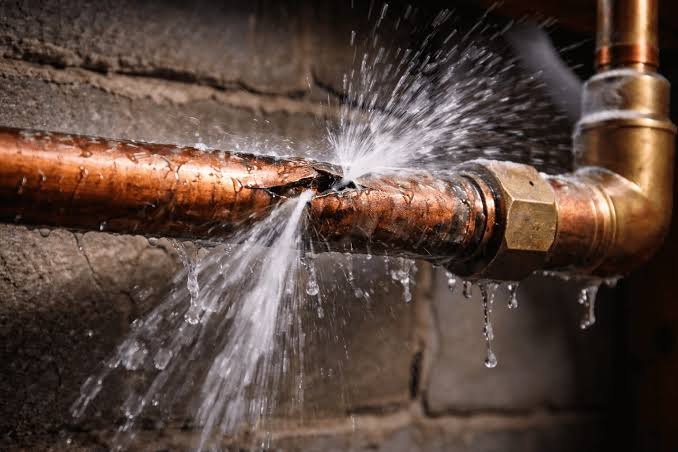
Active Pipe Rupture
Water escapes rapidly under pressure once ice expansion fractures the pipe assembly.
Why Frozen Pipes Can Burst During a Miami Cold Snap
Frozen pipes are less common in Miami because the area normally has a warm climate. However, an occasional cold snap can create freezing conditions for plumbing that is not normally exposed to them.
Certain parts of a property may be more vulnerable when temperatures suddenly drop, including:
Exposed plumbing
Plumbing lines running through uninsulated or exposed areas with direct exposure to ambient temperature drops.
Pipes near exterior walls
Plumbing positioned along exterior perimeter walls that lack sufficient thermal insulation barriers.
Plumbing in attics
Attic supply lines exposed to drafts and cold air infiltration during sudden overnight freezes.
Pipes located in garages
Unheated garage spaces and utility closets housing water heaters and water supply lines.
Outdoor plumbing
Hose bibs, pool supply lines, irrigation backflow preventers, and exterior building risers.
Plumbing in areas with limited insulation or protection
Crawlspaces, overhangs, and soffit areas with minimal building insulation protection.
A sudden temperature change can cause water inside an exposed pipe to freeze and expand. The resulting pressure can place stress on the pipe and potentially cause it to crack or burst.
The Leak May Not Appear While the Pipe Is Frozen
One important detail is that the damage and the visible leak do not always happen at exactly the same time.
A pipe can develop a crack while water inside it is frozen. When the ice begins to thaw, water pressure returns through the damaged section, and the leak may then become obvious.
This can leave a homeowner discovering water around a wall, ceiling, floor, cabinet, or other area after the cold weather has already started to pass.
If a cold snap has affected exposed plumbing at your Miami property and you discover a burst pipe or water damage, frozen pipe burst cleanup can help address the water and affected materials before the problem moves further into the property.
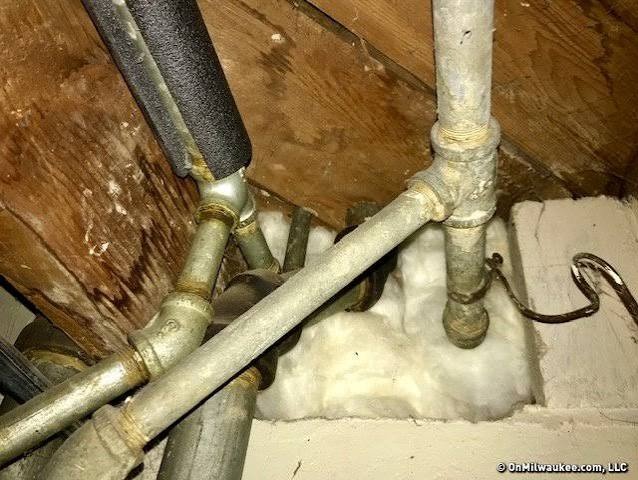
Exposed Attic & Wall Plumbing
Uninsulated supply lines are prime freeze hazards during sudden South Florida temperature drops.
What to Do When a Frozen Pipe Bursts
A burst pipe can release water quickly, so knowing what to do first can help limit additional damage. Focus on safety first, then get the plumbing problem and resulting water damage addressed.
1. Shut Off the Main Water Supply
If it is safe to do so, shut off the property's main water supply to stop additional water from entering the damaged pipe. If you cannot safely reach the shutoff valve, avoid entering an unsafe area and contact a plumber.
2. Stay Away From Standing Water Near Electrical Equipment
Do not walk through standing water if it is near electrical outlets, appliances, wiring, or electrical equipment. If electrical power needs to be shut off, only do so if you can safely access the appropriate shutoff without entering water or exposing yourself to an electrical hazard.
3. Do Not Use an Open Flame to Thaw the Pipe
Never use an open flame, torch, or other direct flame to thaw a frozen pipe. Attempting to rapidly heat frozen plumbing this way can create a fire hazard and may further damage the pipe or surrounding materials.
4. Move Belongings Away From the Affected Area
If it is safe to do so, move furniture, household items, and other belongings away from standing water or wet areas. Do not put yourself at risk trying to save items in an unsafe or electrically hazardous area.
5. Photograph the Visible Damage
Take photographs of the burst pipe, standing water, wet flooring, damaged walls, cabinets, belongings, and other visible damage. These photos can help document what happened and provide a record of the condition of the property.
6. Contact a Plumber for the Pipe Repair
The plumbing problem needs to be addressed at its source. Contact a plumber to inspect and repair or replace the damaged section of pipe. Stopping the water flow does not remove the water that has already entered the property.
Contact a Water Damage Restoration Company
Once the immediate plumbing issue is controlled, the property may still have standing water, saturated materials, or hidden moisture.
A water damage restoration company can assess the affected areas and address services such as:
- Water removal
- Water extraction
- Flooded flooring
- Wet drywall
- Moisture beneath flooring
- Structural drying
- Cleanup of affected areas
The plumbing repair stops the source. Water damage cleanup and drying address what the escaped water has already done to the property.
If a frozen pipe has burst and water has entered your Miami property, Rapid Dry Miami can help with frozen pipe burst cleanup, water extraction, and structural drying.
What Does Frozen Pipe Burst Cleanup Include?
A burst pipe can affect much more than the area where the pipe cracked. Water may spread across floors, soak into carpet, reach drywall and baseboards, or move beneath flooring before the source is repaired.
Frozen pipe burst cleanup in Miami focuses on addressing the water and moisture left behind after the plumbing failure.
Emergency Water Removal
Standing water may collect in rooms, hallways, floors, and other affected areas after a pipe bursts. Emergency water removal focuses on getting accessible standing water out of the property so the affected areas can be assessed and the next stages of cleanup can begin.
Burst Pipe Water Extraction
Not all water remains on the surface. Carpet, flooring, padding, underlayment, and other materials can absorb or hold water after a burst pipe. Burst pipe water extraction focuses on removing water from affected materials where moisture has moved beyond the surface.
Water Damage Cleanup
Once excess water has been addressed, affected areas may still contain debris, dirt, residue, or water-damaged materials. Water damage cleanup can involve cleaning affected surfaces and addressing materials and contents that were exposed to the escaped water.
Structural Drying
Water can remain inside drywall, flooring, subfloor, and other building materials even after visible water has been removed. Structural drying focuses on reducing this remaining moisture through appropriate drying methods and moisture monitoring.
Hidden Moisture Assessment
Water from a burst pipe can move into areas that are difficult to see, including beneath flooring, inside wall cavities, around baseboards, and within other building materials. Checking these areas can help identify moisture that may not be obvious from the surface.
Damaged Material Assessment
Not every affected material responds to water in the same way. Flooring may swell, drywall may become saturated, and cabinets or other materials may be affected depending on the amount of water and duration of exposure. Affected materials can be assessed to determine whether they may be dried, repaired, or replaced.
From Burst Pipe to Property Cleanup
The process may follow:
The exact steps depend on where the pipe burst, how much water escaped, and which materials were affected.
Our Frozen Pipe Burst Cleanup Process in Miami, FL
A burst pipe can send water into areas you may not immediately realize are affected. Our cleanup process follows the water from the initial damage through removal, extraction, drying, and evaluation of the affected materials.
1. Assess the Damage
We identify where the pipe burst, where the water traveled, and which areas and materials were affected. This may include checking floors, walls, carpet, cabinets, baseboards, subfloor, and other areas exposed to the water.
2. Stop the Water Source
The plumbing problem needs to be isolated before cleanup can properly proceed. If the pipe is still leaking, the water supply should be shut off if it is safe to do so. Pipe repair itself may require a plumber.
3. Remove Standing Water
Visible water is removed from affected rooms, floors, and other accessible areas. This stage focuses on getting accumulated water out of the property so the affected materials can be addressed.
4. Extract Absorbed Water
Standing water removal does not necessarily remove all the water from the property. Carpet, flooring, underlayment, and other affected materials may retain absorbed water after the surface appears dry. Water extraction focuses on addressing this remaining water.
5. Dry Affected Materials
After water removal and extraction, affected materials may still contain moisture. Depending on the materials and conditions, air movement, dehumidification, and moisture monitoring may be used to help reduce remaining moisture.
6. Check for Remaining Moisture
Water from a burst pipe can move beneath flooring, into wall cavities, behind baseboards, or into other areas that are not immediately visible. These areas may need additional assessment to determine whether moisture remains and whether further drying is needed.
7. Move Toward Restoration
Once the affected areas have been addressed and remaining moisture has been evaluated, damaged materials can be assessed for repair or replacement.
The overall process may look like:
The exact steps depend on where the pipe burst, how much water escaped, and which materials were affected.
Where Can a Frozen Pipe Cause Water Damage?
Water from a burst pipe does not always stay around the plumbing fixture. Once water escapes, it can travel through floors, walls, ceilings, and other connected areas of the property.
The extent of the damage depends on where the pipe burst, how much water escaped, and how long the water remained in the affected areas.
Walls and Wall Cavities
A pipe inside or near a wall can release water into the surrounding building materials. Drywall and wall cavities may absorb moisture, making some damage difficult to see from the surface.
Ceilings
If a pipe bursts above a finished ceiling, water can spread through the ceiling material and eventually appear as stains, damp spots, or dripping water.
Carpet and Flooring
Water can spread across floors and become absorbed into carpet, padding, hardwood, laminate, vinyl, tile, and other flooring materials. Moisture may also move beneath the finished flooring.
Subfloors
Water that passes through or beneath flooring can reach the subfloor. Wood-based subfloors can absorb and retain moisture, even after standing water has been removed.
Baseboards and Trim
Baseboards and trim located near the floor can absorb water when a burst pipe releases water into a room. They may become swollen, stained, or otherwise affected.
Cabinets
Kitchen and bathroom cabinets can be exposed when a pipe bursts nearby. Water may affect the cabinet base, panels, flooring underneath, and surrounding materials.
Insulation
If water enters a wall or ceiling cavity, insulation may also become wet. The appropriate response depends on the type of insulation, the amount of water, and its condition.
Furniture and Household Contents
Furniture, rugs, mattresses, personal belongings, and other household contents can be affected when water spreads through a room. The condition of each item depends on its material, the amount of exposure, and how long it remained wet.
A burst pipe can therefore affect much more than the pipe itself. Identifying where the water traveled helps determine which areas need water removal, extraction, drying, cleanup, or further restoration.
Water From a Burst Pipe May Travel Beyond the Visible Damage
The visible puddle may be the easiest part of the damage to see, but it is not necessarily the entire problem.
When a pipe bursts, water can spread through openings, seams, and porous building materials. It may travel into areas that are difficult to see without looking beyond the surface.
Water Beneath Flooring
Water can move underneath carpet, hardwood, laminate, vinyl, or other flooring. Underlayment and subfloor materials may continue holding moisture even after the surface appears relatively dry.
Water Behind Baseboards
Water that reaches the edge of a room can move behind baseboards and trim. These materials can absorb moisture, while water may also reach the wall materials behind them.
Water Inside Wall Cavities
A burst pipe located inside or near a wall can allow water to enter the wall cavity. Moisture may remain inside the wall even when there is only a small visible stain or damp area on the surface.
Wet Insulation
If water enters a wall or ceiling cavity, insulation may also become affected. Whether it can be dried or needs further attention depends on the material and extent of exposure.
Moisture in the Subfloor
Water that travels through or beneath flooring can reach the subfloor. A wet subfloor may not be immediately obvious but can retain moisture after the visible water has been removed.
Moisture Inside Building Materials
Drywall, wood, flooring, baseboards, insulation, and other building materials can absorb water. These materials may require additional drying even after standing water and easily accessible moisture have been removed.
This is why frozen pipe burst cleanup should not focus only on the area where water is visibly collecting. Understanding where the water traveled can help identify affected materials and determine whether additional water extraction, structural drying, or restoration is needed.
The visible water is only what you can see. The remaining moisture may be somewhere underneath, behind, or inside the affected materials.
Frozen Pipe Cleanup vs. Frozen Pipe Repair
A frozen pipe that bursts creates two separate problems: the plumbing failure itself and the water damage caused by the escaped water.
A plumber and a water damage restoration company address different parts of the situation.
What Does a Plumber Do?
A plumber focuses on the damaged plumbing system. Their work may include:
- Locating the damaged pipe
- Finding the source of the leak
- Repairing or replacing the damaged section
- Checking the plumbing system after the repair
- Restoring normal water flow
The pipe needs to be repaired or the water source otherwise controlled before the resulting water damage can be fully addressed.
What Does a Water Damage Restoration Company Do?
Water damage restoration focuses on what the escaped water has done to the property. This may include:
- Removing standing water
- Extracting absorbed water
- Addressing affected flooring and other materials
- Checking for hidden moisture
- Drying affected areas
- Assessing resulting water damage
- Evaluating damaged materials for repair or replacement
Mitigates standing water, extracts moisture, and performs certified structural drying.
You May Need Both
Repairing the burst pipe stops the source, but it does not remove water that has already entered the property.
For example, a pipe may burst inside a wall and send water into the flooring below. A plumber can repair the pipe, while water damage restoration addresses the wet flooring, subfloor, drywall, and remaining moisture.
Rapid Dry Miami focuses on the water damage and cleanup side of a frozen pipe burst. If your Miami property has already experienced a pipe burst, we can help address the resulting water removal, extraction, cleanup, and drying needs.
Residential Frozen Pipe Burst Cleanup in Miami
You may have woken up to water on the floor, discovered a wet ceiling, or found that a pipe behind a wall has started leaking as temperatures rise.
A burst pipe can quickly affect more than the plumbing itself. Water may spread through bedrooms, bathrooms, kitchens, garages, living rooms, and other areas of the home.
Rapid Dry Miami provides residential frozen pipe burst cleanup in Miami for homes, condos, and apartments dealing with water damage after a pipe bursts.
Water Damage Inside Your Home
Depending on where the pipe burst, water may affect:
- Bedrooms with wet carpet, flooring, or furniture
- Bathrooms where water spreads around floors, walls, and cabinets
- Kitchens where cabinets, flooring, and nearby walls may be affected
- Garages where water can spread across concrete or reach stored belongings
- Living rooms with affected carpet, flooring, furniture, and household contents
Water can also move beneath flooring or into walls, making some moisture difficult to see.
Carpet, Flooring, and Subfloors
Carpet can absorb water quickly, while flooring may allow water to move into underlayment or the subfloor beneath it. Depending on the material and extent of exposure, affected flooring may need water extraction, drying, repair, or replacement.
Wet Walls and Drywall
A pipe that bursts inside or near a wall can send water into drywall, baseboards, insulation, and wall cavities. The visible stain may not show the full extent of the moisture, so affected areas may need to be assessed beyond what can be seen from the surface.
Household Contents
Furniture, rugs, mattresses, personal belongings, and other household contents can also be affected when water spreads through the home. The appropriate next step depends on the material, amount of water, and duration of exposure.
From Pipe Burst to Cleanup:
If a frozen or burst pipe has caused water damage inside your Miami home, condo, or apartment, Rapid Dry Miami can help address the resulting water and moisture problems.
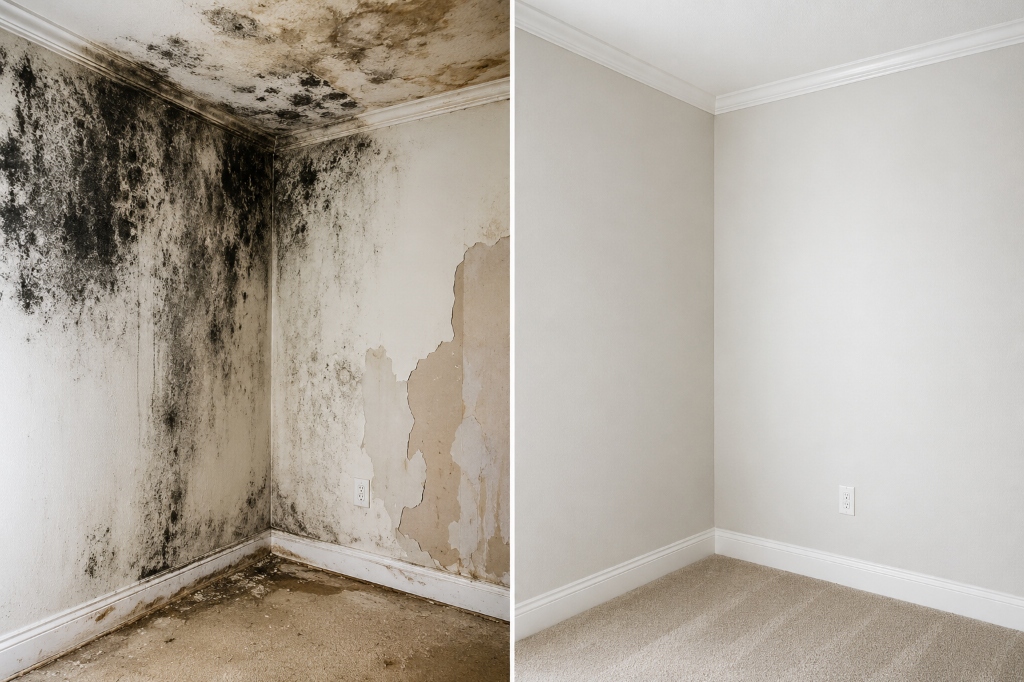
Residential Mitigation
Full extraction, carpet recovery, and wall cavity drying for Miami homes & condos.
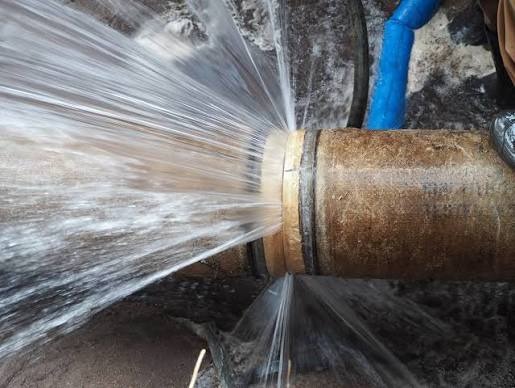
Commercial Pipe Rupture
High-capacity water removal for retail facilities, offices, and warehouses.
Commercial Frozen Pipe Burst Cleanup in Miami
A burst pipe can disrupt a business in a matter of hours. Water may spread across an office, retail store, restaurant, warehouse, or other commercial building and affect the areas your business depends on.
Rapid Dry Miami provides commercial frozen pipe burst cleanup in Miami for businesses dealing with water damage after a pipe failure.
Water Damage in Commercial Spaces
Depending on where the pipe bursts, water may affect:
- Offices with wet carpet, flooring, walls, and work areas
- Retail stores with affected sales floors, storage areas, and inventory
- Restaurants with water around flooring, work areas, storage spaces, or equipment
- Warehouses with affected floors, stored materials, and inventory
- Commercial buildings with water spreading between rooms or building areas
Commercial Flooring and Work Areas
Water from a burst pipe can spread across commercial flooring and may move beneath the finished surface. Carpet, vinyl, laminate, tile, underlayment, and subfloor materials can all be affected depending on the location and amount of water. Work areas may need to be assessed for visible water as well as moisture that has moved into or beneath building materials.
Inventory and Equipment
A pipe burst can expose inventory, equipment, furniture, stored materials, and other business contents to water. The condition of affected items depends on the type of material, the amount of exposure, and how long they remained wet.
Addressing the Water Damage
Repairing the burst pipe addresses the plumbing source, but the water already inside the business still needs to be dealt with. Commercial frozen pipe burst cleanup may involve:
The exact process depends on where the water traveled and which parts of the commercial property were affected.
If a burst pipe has left your Miami business with standing water, wet flooring, affected inventory, or moisture in work areas, Rapid Dry Miami can help address the resulting water damage.
Signs a Frozen Pipe Has Caused Water Damage
A frozen pipe does not always reveal the full extent of the problem immediately. A pipe may crack while frozen, with water damage becoming noticeable later as the ice thaws and water pressure returns.
Look for signs such as:
Standing water on floors or around plumbing fixtures
Wet drywall or soft wall surfaces
Water stains on walls or ceilings
Damp walls near plumbing lines
Swollen or damaged flooring
Wet carpet or saturated carpet padding
Dripping ceilings or water coming through ceiling surfaces
Damaged or swollen baseboards
Musty odors in areas exposed to moisture
Low water pressure from a fixture
No water from a fixture when water should normally be flowing
A visible crack in a pipe
Water appearing after thawing, even though the pipe did not visibly leak while frozen
Pay Attention to What Happens After Thawing
One important warning sign is water appearing as temperatures rise.
A frozen pipe can become cracked or damaged while the water inside is frozen. Once the ice begins to thaw, water can flow through the damaged section and make the leak obvious.
If you notice water stains, wet flooring, damp walls, or standing water after a cold snap, the visible damage may not show everywhere the water has traveled.
Rapid Dry Miami can help address the resulting water damage through water removal, extraction, cleanup, and structural drying after the plumbing source has been controlled.
Frozen Pipe Burst Cleanup Across Miami
Rapid Dry Miami provides frozen pipe burst cleanup across Miami and surrounding communities throughout Miami-Dade County.
Areas We Serve
Select a Miami-Dade community below to view local flood restoration capabilities:
Miami
Flood cleanup and restoration for homes, condos, apartments, and businesses throughout Miami.
Serving Miami-Dade County
If your property has experienced flooding and your community isn't listed above, Rapid Dry Miami may still be able to help. Contact us to discuss your location and the type of flood damage affecting your property.
Need Flood Damage Restoration in Miami?
Call Rapid Dry Miami today for 24/7 assistance.
Why Choose Rapid Dry Miami for Frozen Pipe Burst Cleanup?
A frozen pipe can create a plumbing problem and a separate water damage problem. Rapid Dry Miami focuses on addressing the water and moisture left behind after a pipe bursts.
Focused on Water Damage After a Pipe Burst
Our focus is the property damage caused by escaped water. This can include standing water, wet flooring, saturated carpet, damaged drywall, affected baseboards, and moisture that has moved into other building materials.
Water Removal and Extraction
Visible standing water and absorbed water are different problems. Depending on the situation, cleanup may involve water removal from affected areas and water extraction from carpet, flooring, underlayment, and other materials.
Attention to Hidden Moisture
Water can travel beneath flooring, behind baseboards, into wall cavities, or into the subfloor. We focus on identifying affected areas that may not be obvious from the surface.
Residential and Commercial Properties
Frozen pipe water damage can affect homes, condos, apartments, offices, retail stores, restaurants, warehouses, and other commercial properties. Our services address water damage in both residential and commercial spaces.
From Cleanup Toward Structural Drying
Removing visible water is only one part of the process. After water removal and extraction, affected materials may still contain residual moisture. Structural drying may then be needed to reduce remaining moisture and move the property toward restoration.
Frequently Asked Questions About Flood Damage Restoration in Miami
Got questions about our services? Here are some common inquiries we receive from Miami-Dade property owners.
Need immediate emergency assistance?
(786) 434-061624/7 Live Operator • < 45 Min Dispatch in Miami-Dade
Yes, although freezing conditions are less common in Miami than in colder climates. During an occasional cold snap, exposed plumbing, outdoor pipes, and pipes in areas such as garages, attics, or exterior walls may be vulnerable to freezing.
Need Frozen Pipe Burst Cleanup in Miami?
A frozen pipe can leave standing water, soaked flooring, wet walls, and hidden moisture behind even after the pipe has been repaired.
Call Rapid Dry Miami to get the water damage assessed and start the cleanup and drying process.