Flood Water Extraction in Miami, FL
You may no longer see standing water, but that does not mean the water is gone. Floodwater can be absorbed into carpet, flooring, underlayment, subfloor, and other saturated materials.
Rapid Dry Miami provides flood water extraction in Miami for properties where water remains trapped or absorbed after flooding. We focus on extracting remaining water from affected materials and identifying areas where residual moisture may still be present.
Whether you are dealing with saturated carpet, damp flooring, or water trapped under flooring, getting the remaining water addressed is an important part of the restoration process.
Have water remaining after a flood? Call Rapid Dry Miami for flood water extraction services.
The Water May Be Gone From the Surface, But Not From the Materials
The floor may look dry, but floodwater can remain inside the materials beneath it. Carpet can stay saturated, moisture can collect in the underlayment, and a subfloor can continue holding water after the visible floodwater is gone.
This is where flood water extraction becomes important. The concern is no longer just what you can see on the surface. It is the water that has been absorbed or trapped within the affected materials.
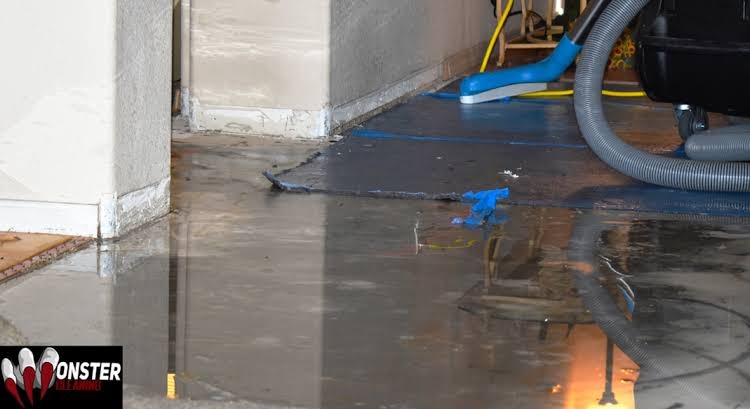
You may notice:
- Carpet that remains wet or saturated
- Flooring that feels damp, soft, or swollen
- Moisture beneath flooring
- Wet underlayment
- A subfloor that remains damp
- Materials that are taking unusually long to dry
- Lingering moisture or a musty odor
Water trapped beneath flooring can affect multiple layers of the floor system. Depending on the material and extent of exposure, affected areas may need extraction, drying, repair, or replacement.
If the visible water is gone but your flooring or other materials are still wet, the property may still have water that needs to be extracted.
What Does Flood Water Extraction in Miami Include?
Flood water extraction focuses on removing water that has been absorbed into or trapped within materials after flooding. The affected material can determine where extraction is needed and what happens afterward.
Extracting Water From Carpet
Carpet can absorb a significant amount of floodwater, and moisture may also remain in the padding underneath. Carpet water extraction addresses saturated carpet and helps remove absorbed water that is no longer sitting visibly on the surface.
The condition of the carpet and padding will determine whether they can be dried and restored or need to be replaced.
Extracting Water From Flooring
Different flooring materials can respond differently to flooding. Water extraction from flooring may be needed when moisture has been absorbed into or remains around hardwood, laminate, tile, or the layers beneath the finished floor.
Flood-damaged flooring may show signs such as swelling, soft spots, separation, or persistent dampness. The affected flooring and surrounding materials need to be evaluated based on the extent of the water exposure.
Extracting Water From Underlayment
Water can move below the visible flooring and become trapped in the underlayment. This can leave moisture between flooring layers even when the surface appears relatively dry.
Underlayment water extraction focuses on addressing trapped water and moisture within these affected layers so they can be properly evaluated and dried.
Subfloor Water Extraction
A wet subfloor can be one of the less obvious consequences of flooding. Water that passes through flooring or underlayment may reach the subfloor and remain within the building materials.
Subfloor water extraction may be necessary when the subfloor has absorbed water or remains saturated. The condition of the subfloor, including any associated wood flooring, is evaluated to determine whether drying, repair, or replacement is appropriate.
The goal throughout the process is to address residual moisture within affected materials, not simply the water that was visible on the surface.
Our Flood Water Extraction Process
Flood water extraction is about finding where water has been absorbed or trapped and addressing those affected materials. The process can vary depending on the flooring, construction, and extent of the flooding.
1. Assess the Affected Materials
We begin by looking at the areas affected by flooding, including carpet, flooring, underlayment, subfloor, and other materials that may have absorbed water.
2. Identify Trapped or Absorbed Water
Visible water is only part of the picture. We identify areas where water may have moved beneath flooring, into carpet and padding, or into other saturated materials.
3. Extract Water From Carpet and Flooring
Water extraction focuses on removing absorbed water from affected carpet and flooring. The appropriate approach depends on the type of material and its condition after exposure to floodwater.
4. Address Underlayment and Subfloor Moisture
If water has moved beneath the finished flooring, the underlayment or subfloor may also be affected. These layers are evaluated for trapped water and moisture.
5. Check Remaining Moisture
After extraction, affected areas can be checked for remaining moisture. This helps determine whether additional drying is needed and whether materials are continuing to hold moisture.
6. Move the Property Toward Structural Drying
Extraction addresses the water that has been absorbed or trapped within affected materials. If moisture remains, the next stage may involve structural drying to help dry the building materials.
Flooding → Absorbed Water → Extraction → Moisture Check → Structural Drying
This distinction is important because water extraction removes water from affected materials, while structural drying addresses the moisture that remains afterward.
Where Can Floodwater Become Trapped?
The visible floodwater may be gone, but parts of the property can still feel wet or damp. Water can move into materials and spaces that are not obvious from the surface, leaving behind moisture that may require further extraction and drying.
Under Flooring
Floodwater can move through gaps or edges in flooring and become trapped underneath. Moisture may remain between the finished flooring and the layers below, even when the surface looks dry.
Inside Carpet and Padding
Carpet can absorb floodwater, while the padding underneath can hold additional moisture. Saturated carpet and padding may remain wet after the visible water has been removed.
In Subfloors
Water that reaches beneath the finished floor can be absorbed by the subfloor. A wet subfloor may continue holding moisture and can require further assessment and extraction.
Within Underlayment
Underlayment can retain water between flooring layers. This is one reason a floor can remain damp even when there is no visible water on top.
Around Baseboards and Lower Walls
Floodwater can reach baseboards and the lower portions of walls. Moisture may also move into nearby building materials, leaving damp areas after the surface water is gone.
In Other Saturated Materials
Furniture, certain building materials, and other contents can absorb floodwater and remain damp. The material, amount of exposure, and condition of the item determine what can be dried, repaired, or replaced.
If the water is gone but your property still feels wet, the problem may be moisture trapped inside or beneath affected materials. That is where proper water extraction and moisture assessment become important.
Flood Water Extraction for Different Flooring Types
Floodwater can affect flooring differently depending on the material, how long it was exposed, and whether water reached the layers underneath. The condition of the flooring and the extent of the water exposure help determine whether it can be dried, repaired, or needs replacement.
There is no single approach for every floor. The type of flooring, duration of water exposure, amount of moisture, and condition of the underlying materials all matter when determining what can be restored and what may need to be replaced.
Carpet and Padding
Carpet can absorb floodwater quickly, and moisture may also remain in the padding underneath. Water extraction from carpet addresses absorbed water before the affected materials are evaluated for further drying or replacement.
Learn about carpet water extraction →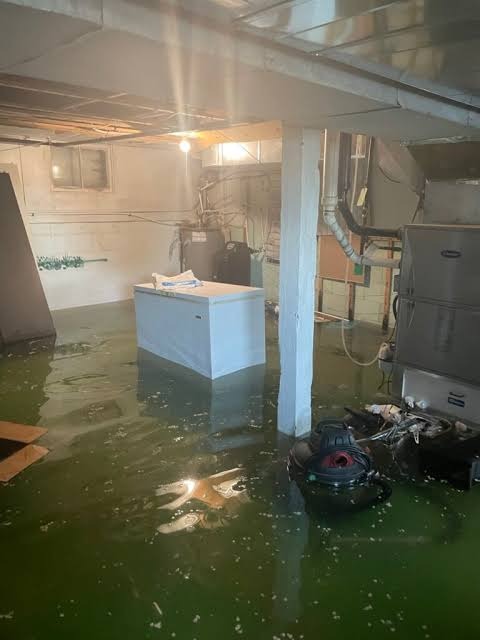
Hardwood Flooring
Hardwood can absorb moisture through seams and edges. Flood exposure may cause swelling, cupping, staining, or other changes. The condition of the wood and the extent of moisture exposure determine the appropriate next step.
Learn about hardwood flood recovery →
Laminate and Tile Assemblies
Laminate flooring can be affected when water reaches seams or underlying layers, causing swelling or separation. Tile itself may be less absorbent, but water can still reach grout lines, edges, underlayment, or the subfloor beneath it.
Learn about tile & laminate extraction →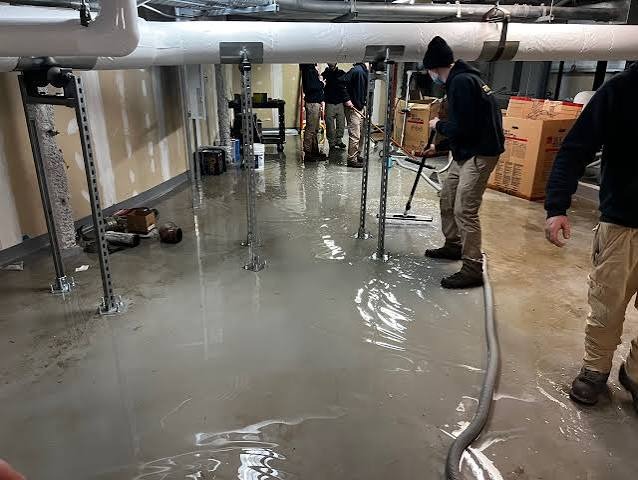
Vinyl & Saturated Subfloors
Vinyl flooring can trap floodwater beneath seams and edges. The subfloor is especially critical because water can reach it from damaged flooring above, retaining moisture that requires deep-seated negative pressure extraction.
Learn about subfloor extraction →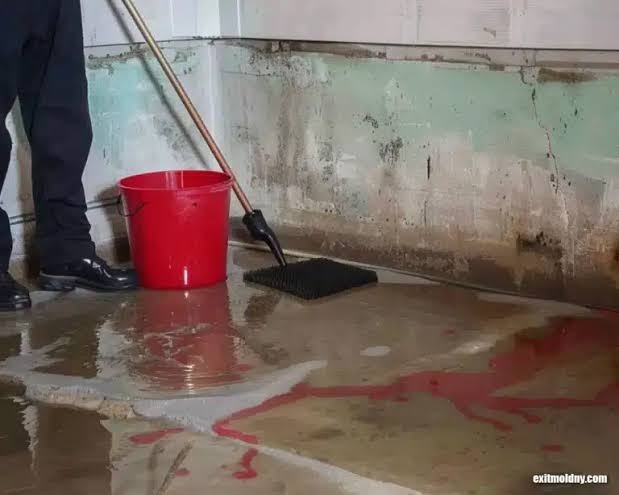
Why Hidden Moisture Matters After Flooding
Seeing the floor dry does not necessarily mean the property is dry. Visible water removal is not the same as complete water extraction. Floodwater can remain inside materials or beneath surfaces where it is difficult to see.
Moisture Under Flooring
Water can become trapped beneath flooring and move into the underlayment or subfloor. The top surface may appear dry while the layers underneath continue to hold moisture.
Moisture Inside Building Materials
Drywall and other porous building materials can absorb floodwater. If water reaches wall cavities, moisture may remain inside areas that cannot be judged simply by looking at the wall surface.
Residual Moisture After Extraction
Even after water has been extracted, some residual moisture may remain within affected materials. That is why moisture levels may need to be checked before the property moves into the drying stage.
Why Hidden Moisture Should Not Be Ignored
Unaddressed moisture can leave affected materials damp long after the flooding event. Flooring may remain swollen or soft, walls may continue to feel damp, and musty odors can develop.
For a flooded property, the important question is not only “Is there still water on the floor?” It is also “Where did the water go?”
Water trapped under the floor, inside the subfloor, beneath underlayment, or within wall cavities may require further extraction and structural drying.
Flood Water Extraction vs. Flood Water Removal
Flood water removal and flood water extraction are related, but they address different stages of dealing with floodwater. Understanding the difference also helps determine what your property may need after the visible water is gone.
Flood Water Removal
Flood water removal focuses on getting standing water out of the property. It is generally used when floodwater has accumulated inside a home or business and is still visibly present.
Involves:
- Standing water
- Flooded rooms
- Water accumulation
- Pumping out floodwater
- Removing accessible water from affected areas
Primary goal: Remove visible water so affected areas can be assessed.
See Flood Water Removal in Miami →Flood Water Extraction
Flood water extraction focuses on water that has already been absorbed into or trapped within materials. This becomes the next concern after standing water has been removed.
Addresses:
- Absorbed water
- Saturated carpet
- Wet flooring
- Water beneath flooring
- Wet underlayment
- Damp or saturated subfloor
- Trapped moisture within affected materials
Primary goal: Extract deep water that has moved into materials or subfloors.
Why Both May Be Needed
A flooded property can require both services. Standing water is first pumped out of a flooded room; then, carpet, flooring, underlayment, or the subfloor are extracted to remove absorbed water.
Flood Water Extraction vs. Structural Drying
Flood water extraction and structural drying are connected, but they serve different purposes in the restoration process.
What Does Flood Water Extraction Do?
Flood water extraction focuses on removing water that has been absorbed into or trapped within materials (saturated carpet/padding, wet flooring, underlayment, and subfloors).
Goal: Physically remove liquid water from materials.
What Does Structural Drying Do?
After extraction, affected materials still contain bound moisture. Structural drying uses air movement, dehumidification, and moisture monitoring to lower relative humidity and dry building materials.
Goal: Reduce microscopic moisture inside the structure.
The Complete Sequence
Flooding → Water Removal → Water Extraction → Structural Drying → Repair/Restoration
If your Miami property has already had standing water removed but materials are still damp, learn more about our structural drying services in Miami.
Flood Water Extraction for Miami Properties
Residential Flood Water Extraction in Miami
A flooded home can look better once the standing water is gone, but that does not always mean the water has been fully removed. Carpet, flooring, underlayment, subfloor, and household contents can continue holding moisture after a flood.
You may notice wet carpet in a bedroom, damp flooring in a living room, swollen material in the kitchen, or moisture around a bathroom floor. In some cases, water can move beneath the finished flooring and reach the subfloor.
- Bedrooms with saturated carpet or flooring
- Living rooms where carpet, rugs, or flooring absorbed floodwater
- Kitchens where water reached cabinets, flooring, or the subfloor
- Bathrooms where water moved beneath flooring or around fixtures
- Hallways and other interior areas affected by spreading floodwater
- Garages and lower-level areas where water accumulated
If your Miami home has already had standing water removed but carpet, flooring, or the subfloor is still wet, Rapid Dry Miami can help address the remaining water through flood water extraction.
Commercial Flood Water Extraction in Miami
Floodwater inside a business can affect more than the visible floor. Even after standing water has been removed, commercial flooring, underlayment, subfloors, inventory, and other materials may still hold absorbed or trapped water.
- Offices with wet carpet, flooring, or affected work areas
- Retail stores where floodwater has reached commercial flooring or merchandise areas
- Restaurants where water has entered customer areas, kitchens, or storage spaces
- Warehouses where floodwater has affected floors, storage areas, or inventory
- Commercial buildings with moisture trapped beneath flooring
If your Miami business has had flooding and standing water is already gone but commercial flooring, subfloor, inventory areas, or workspaces remain wet, Rapid Dry Miami can help with flood water extraction.
Signs Your Property May Need Flood Water Extraction
Standing water does not have to be visible for your property to still have a water problem. After a flood, moisture can remain inside flooring, carpet, underlayment, subfloor, and other affected materials.
You may need flood water extraction if you notice any of these signs:
- Carpet remains saturated after visible floodwater has been removed.
- Flooring feels damp or remains noticeably wet to the touch.
- Floorboards are swollen, raised, cupped, or changing shape.
- Water appears beneath flooring, particularly around seams, edges, or damaged sections.
- The subfloor feels wet or continues to hold moisture beneath the finished flooring.
- Moisture remains after standing water is removed, indicating that water has been absorbed into materials.
- Affected materials do not seem to be drying, even after the visible water is gone.
- A musty odor develops, which can be a sign that moisture remains in affected areas.
Don't Focus Only on Visible Water
One of the most important signs is simply that the property still seems wet after the standing water is gone. Floodwater can move beneath flooring or become absorbed into carpet, padding, underlayment, and subfloor materials. These areas may require further assessment to determine whether water extraction or structural drying is needed.
If your Miami property shows signs of trapped or absorbed water after flooding, Rapid Dry Miami can help identify affected materials and determine the appropriate next step.
Flood Water Extraction for Miami Properties
Floodwater can affect properties throughout Miami and surrounding areas, from residential homes and condos to commercial spaces. After standing water is removed, flooring and other materials may still retain water that needs to be extracted.
Rapid Dry Miami provides flood water extraction across Miami, Miami Beach, Brickell, Coral Gables, Coconut Grove, Hialeah, Kendall, Doral, and North Miami.
Flood water extraction may be needed after hurricanes, tropical storms, heavy rainfall, storm surge, or coastal flooding, particularly when water has moved beneath flooring or been absorbed into affected materials.
If visible floodwater is gone but your flooring, carpet, or subfloor remains wet, the next step may be flood water extraction and structural drying.
Why Choose Rapid Dry Miami for Flood Water Extraction?
When standing water is already gone, the remaining problem can be harder to identify. Water may still be trapped beneath flooring, absorbed into carpet, or held within the subfloor. Rapid Dry Miami focuses on the areas where visible water removal may not be enough.
Focus on Trapped and Absorbed Water
Flood water extraction addresses water that has moved beyond the surface. We focus on affected materials where water may remain absorbed or trapped, including carpet, flooring, underlayment, and subfloor materials.
Extraction for Residential and Commercial Properties
Floodwater can affect a home, condo, office, retail store, restaurant, warehouse, or other commercial space. Our flood water extraction services are designed to address affected areas in both residential and commercial properties.
Attention to Flooring and Subfloor Materials
Flooring can hide water beneath the surface. Moisture may move through seams, edges, or damaged areas and reach the underlayment or subfloor. We focus on identifying these affected layers and determining where extraction may be needed.
From Water Extraction Toward Drying
Extraction is one stage of the restoration process. After trapped or absorbed water is addressed, affected materials may still contain residual moisture. The next step may be structural drying to reduce remaining moisture and help the property move toward restoration.
Flood Damage Restoration Across Miami
Flooding can happen anywhere across the Miami area, from coastal properties affected by storm surge to homes and businesses dealing with heavy-rain flooding farther inland. Rapid Dry Miami provides flood water removal, water extraction, cleanup, and structural drying for residential and commercial properties throughout the Miami area.
Areas We Serve
Select a Miami-Dade community below to view local flood restoration capabilities:
Miami
Flood cleanup and restoration for homes, condos, apartments, and businesses throughout Miami.
Serving Miami-Dade County
If your property has experienced flooding and your community isn't listed above, Rapid Dry Miami may still be able to help. Contact us to discuss your location and the type of flood damage affecting your property.
Need Flood Damage Restoration in Miami?
Call Rapid Dry Miami today for 24/7 assistance.
Frequently Asked Questions About Flood Water Extraction in Miami
Got questions about our services? Here are some common inquiries we receive from Miami-Dade property owners.
Need immediate emergency assistance?
(786) 434-061624/7 Live Operator • < 45 Min Dispatch in Miami-Dade
Flood water extraction is the process of removing water that has been absorbed into or trapped within materials after flooding. This can include carpet, flooring, underlayment, and subfloor materials.
Need Flood Water Extraction in Miami?
You may not see standing water anymore, but affected flooring, carpet, underlayment, and subfloors can still hold water.
Call Rapid Dry Miami to get your property assessed and start the flood water extraction process.