Flood Cleanup in Miami, FL
When floodwater enters your home or business, standing water, debris, and moisture can quickly create additional property damage. Rapid Dry Miami provides emergency flood cleanup, water removal, water extraction, and structural drying for residential and commercial properties throughout Miami.
Rapid Dry Miami helps address floodwater, affected materials, and moisture left behind after heavy rainfall, hurricanes, tropical storms, and other flooding events. From initial cleanup and water extraction to drying and restoration, our team focuses on getting your property back to a safe, dry condition.
Need emergency flood cleanup in Miami? Call Rapid Dry Miami now.
Flood Damage in Miami Requires More Than Removing Standing Water
Getting standing water out of a flooded property is only the first step. Floodwater can soak into flooring, baseboards, cabinets, furniture, and drywall, while moisture may remain hidden underneath floors or inside walls.
Floodwater can also carry dirt, debris, and other contaminants into the property. If affected materials are not properly cleaned and dried, lingering moisture can contribute to musty odors, material deterioration, and mold growth.
That is why effective flood cleanup in Miami involves more than pumping out visible water. After water removal and water extraction, affected areas may need cleaning, moisture detection, structural drying, and dehumidification to address moisture that cannot be seen.
Rapid Dry Miami focuses on the complete restoration process: removing standing water, cleaning affected areas, extracting trapped moisture, drying the structure, and addressing flood damage so your property can move toward restoration.
Full Recovery Lifecycle
Flooding → Standing Water → Contaminated Materials → Cleanup → Extraction → Drying → Restoration
What Does Flood Cleanup in Miami Include?
Flood cleanup involves more than removing visible water. A complete cleanup addresses standing water, damaged materials, debris, contaminated surfaces, and moisture that may remain hidden inside the property. Rapid Dry Miami combines water removal, cleaning, extraction, and structural drying to help restore flooded residential and commercial spaces.
Standing Water Removal
Standing water should be removed before cleanup and drying can progress. Our flood cleanup process can include pumping out flooded rooms, removing standing water, and using professional water extraction equipment to remove water from affected areas.
Fast water removal helps reduce the amount of time flooring, drywall, baseboards, furniture, and other materials remain exposed to floodwater.
Flood Debris Cleanup
Flooding can leave behind damaged belongings, debris, dirt, and saturated building materials. Cleanup may involve removing affected materials and debris from flooded areas so the property can be properly cleaned and dried.
Depending on the extent of the damage, affected flooring, drywall, baseboards, carpeting, or other materials may require removal before restoration can continue.
Cleaning and Sanitization
Floodwater can carry dirt, debris, and contaminants into a property. Once standing water has been removed, affected surfaces and areas can require thorough cleaning and sanitization.
Flood cleanup may include cleaning surfaces affected by contaminated floodwater, removing dirt and debris, and applying appropriate cleaning or disinfection methods to affected areas.
Moisture Removal and Drying
Visible water can disappear while moisture remains inside the structure. Water may be trapped beneath flooring, inside walls, beneath carpets, or within other building materials.
Structural drying can involve air movers and dehumidifiers along with moisture detection and monitoring. Identifying hidden moisture helps determine where additional drying is needed and helps prevent damp materials from remaining wet after the initial cleanup.
Odor and Moisture Control
Lingering moisture can leave behind musty odors and keep building materials damp, especially in Miami's humid environment. Thorough drying and moisture monitoring can help address moisture that remains after floodwater has been removed.
By combining cleanup, water extraction, drying, and moisture control, Rapid Dry Miami helps reduce conditions that can contribute to persistent odors and mold growth after flooding.
Our Miami Flood Cleanup Process
Flood cleanup needs to address both visible damage and moisture that may be hidden inside the property. Rapid Dry Miami follows a structured process to remove floodwater, clean affected areas, and begin drying the structure.
1. Emergency Assessment
We start by assessing the affected areas and identifying the source and extent of the flood damage. This includes looking for standing water, saturated materials, visible damage, and areas where moisture may have spread beyond what can be seen.
2. Standing Water Removal
Standing water is removed from flooded rooms and affected areas as quickly as practical. Water removal may involve pumping and other extraction methods depending on the amount of water and the condition of the property.
3. Flood Water Extraction
After standing water is removed, additional water may remain in carpets, flooring, subfloors, and other materials. Professional flood water extraction helps remove this moisture before the drying stage begins.
4. Debris Removal and Cleanup
Flooding can leave behind debris, damaged belongings, dirt, and saturated materials. We clean affected areas and remove materials that cannot be effectively restored, preparing the property for thorough drying and restoration.
5. Cleaning and Sanitization
Affected surfaces are cleaned after floodwater has been removed. Depending on the condition of the property and the type of water involved, cleanup may include sanitization and appropriate disinfection of affected areas.
6. Structural Drying and Moisture Monitoring
The final stage focuses on removing remaining moisture from the structure. Air movers, dehumidifiers, moisture detection, and moisture monitoring can be used to identify and dry damp areas, including moisture that may remain under flooring or inside walls.
Need flood cleanup in Miami?
Call Rapid Dry Miami to get the restoration process started.
Flood Cleanup Services We Provide in Miami
Flooding can affect properties in different ways depending on the source of the water, the amount of water involved, and the materials affected. Rapid Dry Miami provides flood cleanup for common residential, commercial, storm-related, and material-specific flood situations.
Hurricane Flood Cleanup
Hurricanes and tropical storms can bring heavy rainfall, storm surge, and wind-driven rain into Miami properties. Flood cleanup can address standing water, debris, affected building materials, and moisture left behind after hurricane flooding.
Explore hurricane flood cleanup →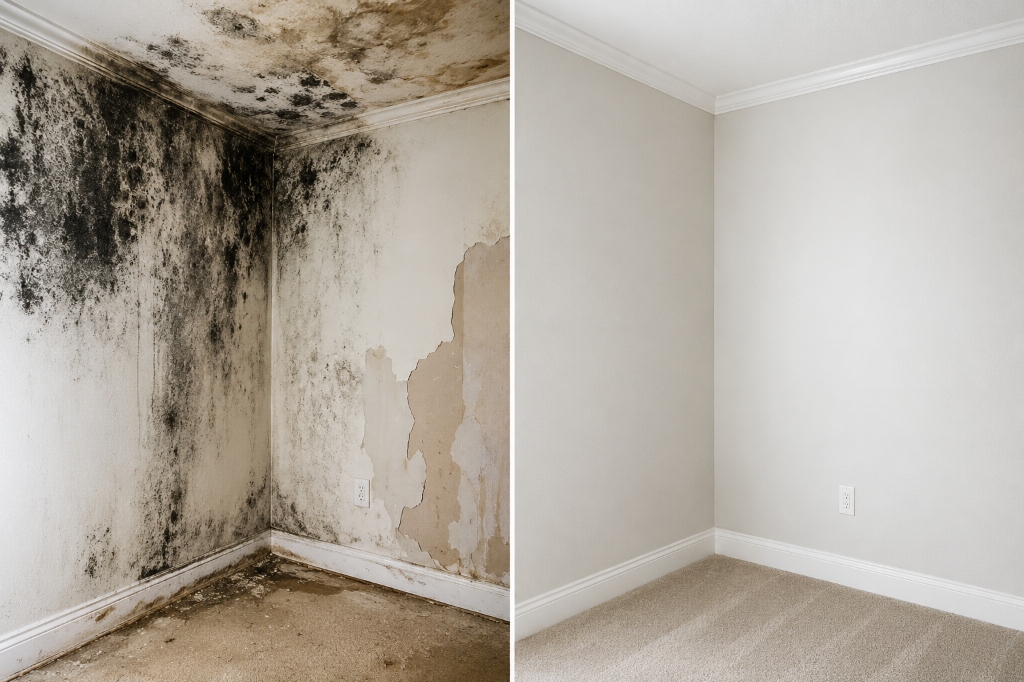
Heavy Rain Flood Cleanup
Heavy rainfall can overwhelm drainage systems and lead to standing water and interior flooding. We help clean affected areas, remove floodwater and debris, and begin the drying process after rain-related flooding.
Explore heavy rain cleanup →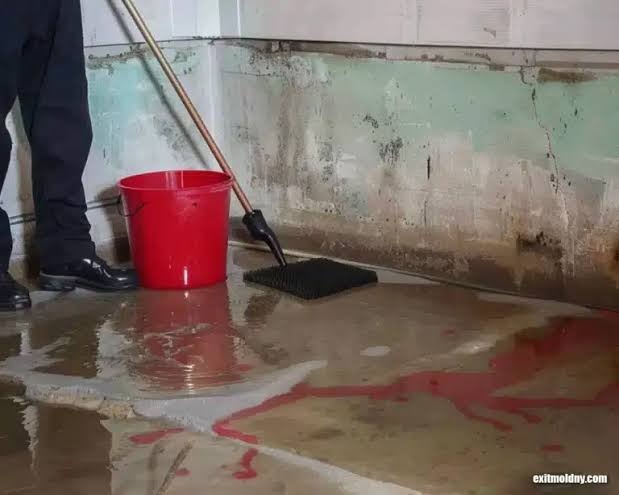
Residential Flood Cleanup
Flooding can affect houses, apartments, condos, and townhomes. Residential flood cleanup addresses affected living spaces, flooring, drywall, furniture, cabinets, and other areas impacted by floodwater.
Explore residential flood cleanup →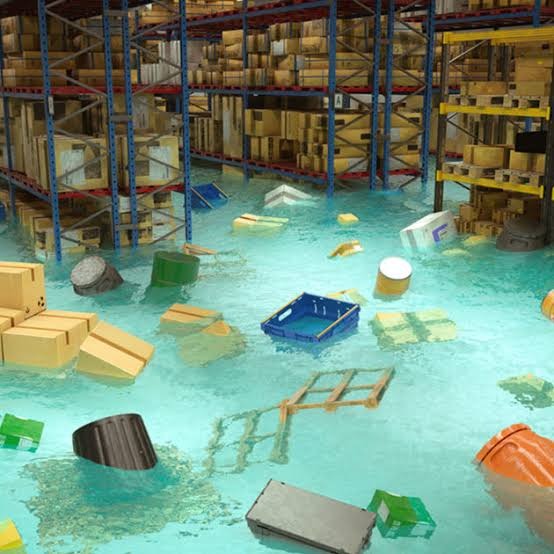
Commercial Flood Cleanup
Flooding can disrupt offices, retail properties, restaurants, and other commercial buildings. Our cleanup process can address standing water, damaged materials, debris, and moisture while helping property managers and business owners move toward restoration.
Explore commercial flood cleanup →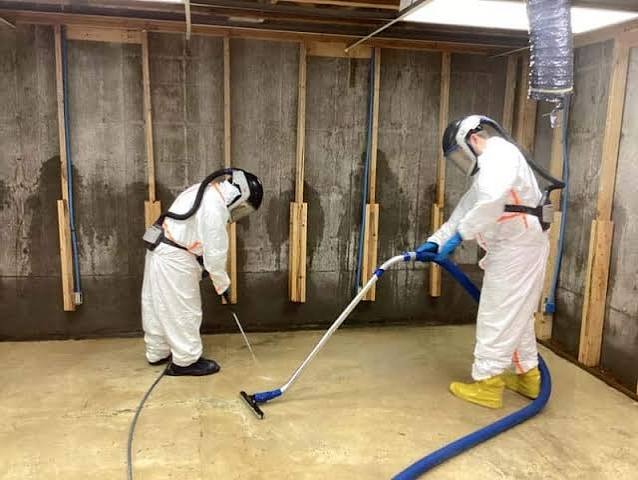
Contaminated Floodwater Cleanup
Dirty or contaminated floodwater can leave affected surfaces and materials requiring additional cleaning. After water removal, cleanup may involve removing debris, cleaning affected surfaces, and applying appropriate sanitization or disinfection methods based on the condition of the property.
Explore contaminated water cleanup →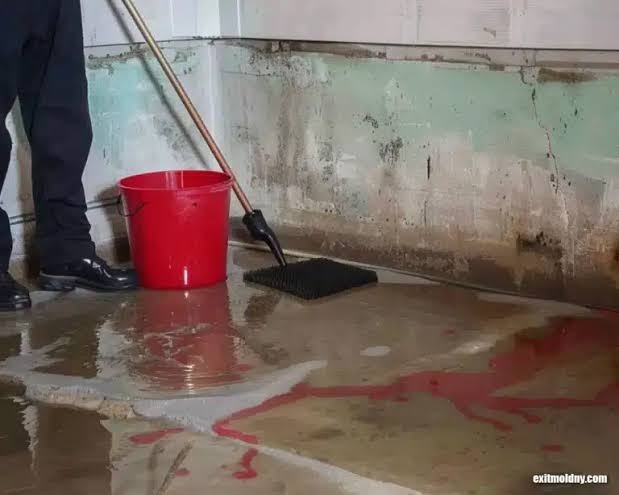
Flooded Flooring Cleanup
Floodwater can affect carpet, hardwood, laminate, tile, subflooring, and underlayment. Even after visible water is removed, moisture may remain beneath flooring. Flood cleanup and extraction can help identify affected areas and prepare the flooring system for proper drying or restoration.
Explore flooded flooring cleanup →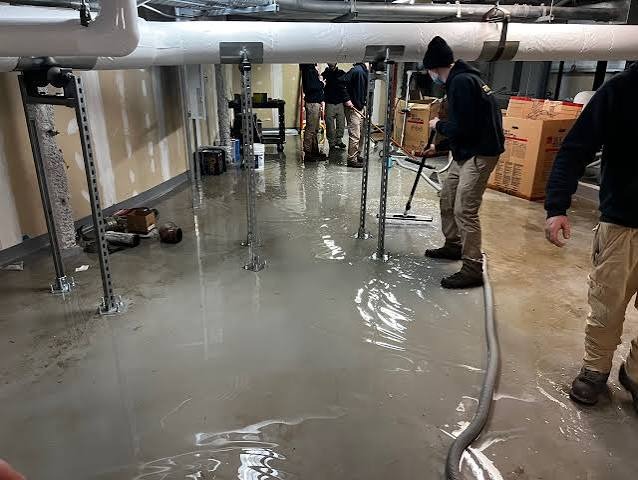
Flood Cleanup Includes More Than What You Can See
Removing visible standing water does not always mean a property is completely dry. After a flood, water can remain under flooring, beneath carpet, inside cabinets, around baseboards, in subfloors, or behind drywall.
Hidden moisture can be especially difficult to identify without proper moisture detection. Areas that appear dry on the surface may still contain damp building materials, trapped water, or elevated moisture levels.
Rapid Dry Miami approaches flood cleanup with the entire affected area in mind. The process can include:
Moisture Detection → Water Extraction → Air Movement → Dehumidification → Moisture Monitoring
Identifying hidden moisture early allows affected areas to be addressed before cleanup is considered complete. Air movers and dehumidifiers can then help remove remaining moisture from the structure while moisture monitoring helps track drying progress.
For Miami properties exposed to flooding, thorough drying is an important part of moving from flood cleanup to property restoration.
Why Flood Cleanup Can Be Challenging in Miami
Flood cleanup in Miami can involve more than removing water from the floor. Hurricanes, tropical storms, heavy rainfall, storm surge, and coastal flooding can introduce large amounts of water and debris into homes and businesses.
Miami's low-lying areas, canals, and proximity to Biscayne Bay can contribute to different types of flooding across the region. Areas including Miami Beach, Brickell, Coral Gables, Coconut Grove, Hialeah, Kendall, Doral, North Miami, and Little Havana can experience different flood conditions depending on the weather and location.
Warm, Humid Conditions Can Make Drying Important
Miami's warm, humid environment can make it harder for damp materials to dry naturally. Moisture trapped under flooring, behind drywall, inside cabinets, or around baseboards may not be obvious after standing water has been removed.
King tides and coastal flooding can also affect low-lying properties, while hurricane and tropical storm conditions can introduce additional water and debris into affected buildings.
That makes thorough flood cleanup and structural drying important. Water removal and extraction address visible and accessible water, while moisture detection, air movement, dehumidification, and moisture monitoring help address moisture that remains inside the property.
Rapid Dry Miami provides flood cleanup and drying services for residential and commercial properties throughout the Miami area.
Residential and Commercial Flood Cleanup in Miami
Flooding can affect every part of a property, from individual rooms in a home to large commercial spaces. Rapid Dry Miami provides flood cleanup for residential and commercial properties, with the cleanup approach based on the areas and materials affected.
Residential Flood Cleanup
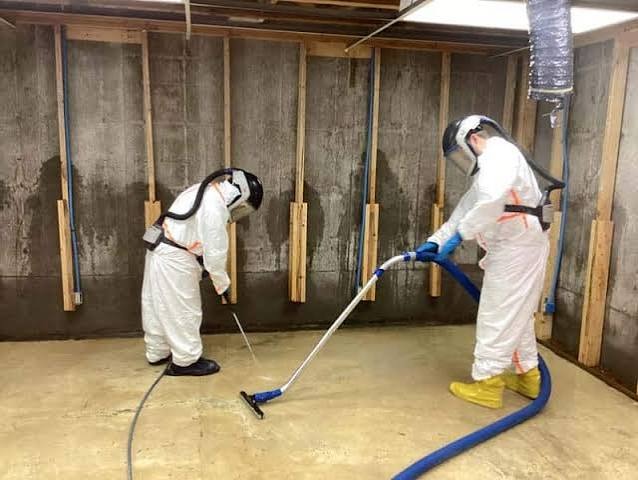
Floodwater can enter homes, houses, condos, apartments, and townhomes and spread across multiple rooms. Kitchens, bathrooms, bedrooms, and living areas may be affected along with flooring, drywall, baseboards, cabinets, and personal belongings.
Residential flood cleanup can include water removal, flood water extraction, debris cleanup, cleaning, sanitization, and structural drying. Hidden moisture under flooring or inside walls can also be identified and addressed as part of the drying process.
Commercial Flood Cleanup
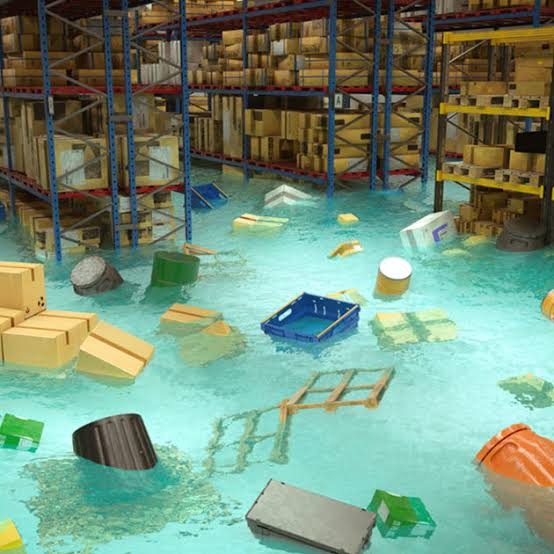
Flooding can interrupt operations and damage offices, retail stores, restaurants, warehouses, and other commercial buildings. Standing water can affect inventory, equipment, flooring, walls, fixtures, and areas used by employees or customers.
Rapid Dry Miami helps business owners and property managers address flood damage through water removal, extraction, cleanup, moisture detection, and structural drying. Prompt cleanup can help move the affected property toward restoration and minimize disruption to normal operations.
Flood Cleanup vs. Flood Water Removal
Flood water removal and flood cleanup are related, but they address different parts of the restoration process.
What Is Flood Water Removal?
Flood water removal primarily focuses on getting standing water out of the property. Depending on the situation, this can involve pumping and removing water from flooded rooms and affected areas.
Once the visible water has been removed, additional moisture may still remain in flooring, walls, subfloors, and other materials.
What Does Flood Cleanup Include?
Flood cleanup goes beyond removing standing water. It can include:
- Removing flood debris and damaged materials
- Cleaning contaminated or affected surfaces
- Sanitization and appropriate disinfection
- Addressing lingering odors
- Extracting moisture from affected materials
- Structural drying and dehumidification
- Moisture detection and monitoring
For larger flood losses, the process may move from water removal to water extraction, cleanup, structural drying, and ultimately flood damage repair.
Rapid Dry Miami can help coordinate these essential stages of the flood restoration process, depending on the condition of the property.
Need a specific service?
Explore our Flood Water Removal, Flood Water Extraction, Structural Drying, and Flood Damage Repair services to learn more about each stage of the restoration process.
When Should You Call for Flood Cleanup in Miami?
You do not have to wait for extensive damage before arranging professional flood cleanup. If water has entered your property, early assessment and cleanup can help identify affected materials and moisture that may not be visible.
Consider calling for flood cleanup when:
- Standing water remains inside your home or business.
- Flooring is saturated or feels damp after flooding.
- Drywall, baseboards, or cabinets are wet.
- Floodwater contains dirt, debris, or other contaminants.
- Water has reached electrical areas. Avoid entering unsafe areas or handling electrical equipment in or around standing water. Contact a qualified professional if there is an electrical hazard.
- Moisture is trapped under flooring or beneath carpet.
- Musty odors develop after the flood.
- Hurricane or storm flooding has affected the property.
- A condo, apartment, or commercial building has been affected by floodwater.
Even when visible water is gone, moisture can remain inside flooring, walls, subfloors, and other building materials. Water extraction, moisture detection, and structural drying can help determine whether the property is fully dry.
Need Flood Cleanup in Miami?
Don't wait for hidden moisture and damaged materials to become a larger restoration problem. Call Rapid Dry Miami for emergency flood cleanup, water removal, extraction, and drying.
Why Choose Rapid Dry Miami for Flood Cleanup?
Flood cleanup is not simply about getting visible water out of a property. The condition of the flooring, walls, contents, and other affected materials needs to be considered throughout the cleanup and drying process. Rapid Dry Miami focuses on the essential steps needed after flooding.
Emergency Flood Cleanup
When flooding affects your property, standing water and moisture need attention quickly. Rapid Dry Miami provides emergency flood cleanup for properties affected by storm flooding, heavy rainfall, hurricanes, and other flood events.
Water Removal & Extraction
Visible standing water is only part of the problem. Water removal and professional extraction help address water in flooded rooms, flooring, carpets, and other affected areas before the drying process begins.
Professional Drying Equipment
Flood cleanup can require more than natural air drying. Air movers and dehumidifiers can help remove moisture from affected building materials and support the structural drying process.
Moisture Detection
Water can remain beneath flooring, inside walls, around baseboards, or in other hidden areas. Moisture detection helps identify areas that may still require extraction or drying after visible water has been removed.
Residential & Commercial Service
Flooding can affect homes, condos, apartments, offices, retail stores, restaurants, and other commercial properties. Our flood cleanup approach can be adapted to the areas and materials affected.
Miami-Focused Service
Rapid Dry Miami focuses on flood cleanup for properties throughout the Miami area, including Miami, Miami Beach, Brickell, Coral Gables, Coconut Grove, Hialeah, Kendall, Doral, North Miami, and Little Havana.
Cleanup Through Restoration
Our approach connects the major stages of flood recovery: water removal, extraction, cleanup, moisture detection, structural drying, and restoration. Addressing each stage helps prepare the property for the next step after a flood.
Flood Damage Restoration Across Miami
Flooding can happen anywhere across the Miami area, from coastal properties affected by storm surge to homes and businesses dealing with heavy-rain flooding farther inland. Rapid Dry Miami provides flood water removal, water extraction, cleanup, and structural drying for residential and commercial properties throughout the Miami area.
Areas We Serve
Select a Miami-Dade community below to view local flood restoration capabilities:
Miami
Flood cleanup and restoration for homes, condos, apartments, and businesses throughout Miami.
Serving Miami-Dade County
If your property has experienced flooding and your community isn't listed above, Rapid Dry Miami may still be able to help. Contact us to discuss your location and the type of flood damage affecting your property.
Need Flood Damage Restoration in Miami?
Call Rapid Dry Miami today for 24/7 assistance.
Frequently Asked Questions About Flood Cleanup in Miami
Got questions about flood cleanup? Here are common questions from Miami homeowners, property managers, and businesses.
Need immediate emergency assistance?
(786) 434-061624/7 Live Operator • < 45 Min Dispatch in Miami-Dade
Flood cleanup can include standing water removal, flood water extraction, debris removal, cleaning, sanitization, moisture detection, and structural drying. The exact cleanup process depends on the amount of water and the materials and areas affected.