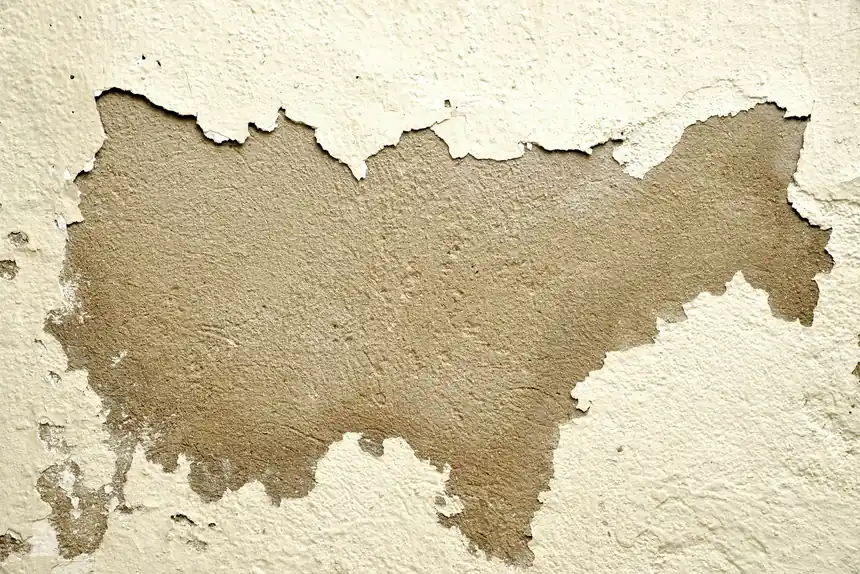
Upstairs Condo Leak Damaged Your Ceiling in Miami? Florida Law, Insurance & Step-by-Step Action Guide
Waking up to water dripping through your ceiling or bubbling behind paint is every Miami condo owner’s nightmare. Learn how Florida Statute 718 applies, who is legally obligated to pay, and the emergency steps to prevent toxic mold.
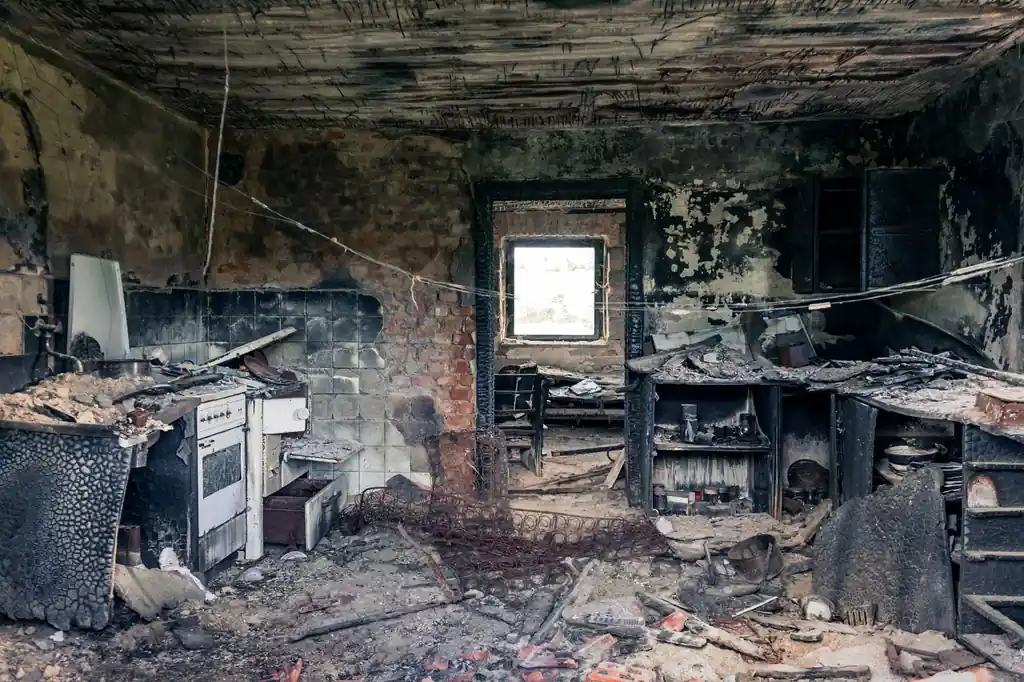
Living in a high-rise condominium in Brickell, Downtown Miami, Edgewater, or Miami Beach offers breathtaking views, but it also means living underneath someone else’s plumbing. When an upstairs neighbor experiences a burst washing machine hose, a cracked toilet tank, or an overflowing air conditioning condensate drain pan, gravity takes over. Within minutes, hundreds of gallons can seep through the post-tension concrete deck, soaking your drywall ceiling, ruining custom crown molding, and pooling on your hardwood floors.
The natural reaction is anger and confusion: "The leak came from their unit, so they have to pay for everything, right?"
In Florida, the answer is surprisingly complex. Under Florida’s strict condominium statutes, liability does not work the way most unit owners expect. In this guide, our certified mitigation specialists break down Florida Statute § 718, insurance policy interplay (HO-6 vs. HOA Master), and the critical actions you must take within the first 60 minutes to protect your property and your wallet.
The Reality of Florida Condo Law: Florida Statute § 718.111(11)
The biggest misconception among Miami condo owners is that the upstairs neighbor is automatically liable for any water that leaves their apartment. In Florida, that is legally incorrect.
Under Florida Statute § 718.111(11), the Florida Condominium Act establishes a statutory scheme that operates largely on a "no-fault" basis. Unless you can legally prove actionable negligence, every unit owner is responsible for insuring and restoring the property inside their own unit boundaries.
The Golden Rule of Florida Condo Leaks: Where the water originated determines who pays to fix the pipe. Where the water lands determines who pays for the resulting damage through their own insurance—unless negligence is proven.
When Is the Upstairs Neighbor Legally Liable?
To force an upstairs neighbor or their insurer to pay for your ceiling water damage, you must prove that their intentional act or unreasonable neglect caused the disaster. Typical legal grounds for negligence include:
- Ignored Warning Signs: The neighbor was previously warned in writing by building management or a plumber that a supply line or AC unit was leaking and failed to repair it.
- Unpermitted DIY Work: The neighbor attempted unpermitted plumbing modifications that ruptured.
- Reckless Overflow: Leaving an active bathtub, jacuzzi, or sink unattended while it overflowed onto the floor.
- Known Vacation Absence: Leaving a condo vacant for months without turning off the unit’s main water valve or setting the AC humidistat properly, leading to unattended flooding.
If a standard braided steel flex line suddenly ruptures under normal operating conditions, Florida law considers it a "sudden and accidental" loss, meaning the upstairs neighbor is generally not legally liable for your ceiling repairs.
The 3 Insurance Policies in Play: Who Pays for What?
When a leak penetrates multi-unit high-rise floors, three separate insurance policies intersect. Understanding which policy covers which building material avoids months of delayed claims:
| Policy Type | Who Pays / Holds Policy | What It Covers Under Florida Law |
|---|---|---|
| 1. HOA Master Policy | Condo Association (Paid via HOA dues) | Common elements: Bare concrete slabs, exterior walls, and main vertical plumbing risers inside shared chases. Does NOT cover unit finishes. |
| 2. Your HO-6 Policy | You (The Affected Unit Owner) | Your drywall finish, textured ceiling, ceiling paint, insulation, electrical light fixtures, flooring, cabinetry, and personal contents. |
| 3. Upstairs HO-6 Policy | The Upstairs Neighbor | Repairs to their own plumbing leak source and flooring. Covers your ceiling only if their negligence is formally established. |
What to Do While the Ceiling Is Actively Leaking (First 60 Minutes)
Do not wait for property management or insurance adjusters to arrive before acting. In Miami’s humid climate, secondary damage multiplies exponentially every hour. Follow this emergency protocol:
- Control the Sagging Ceiling: Saturated drywall acts like a sponge, holding tens of pounds of water until it collapses without warning. Place a heavy bucket underneath the bulging drywall blister, and carefully poke a small hole in the lowest point using a screwdriver or nail to relieve water pressure.
- Notify Building Security & the Upstairs Neighbor: Call the front desk immediately. High-rise security has master access keys to enter the unit if the upstairs neighbor is not home or asleep, allowing them to turn off the water main.
- Shut Off Electrical Power: If water is dripping near ceiling fans, recessed LED cans, or chandelier junction boxes, turn off that specific circuit breaker immediately to prevent electrical fires or electrocution.
- Call a Certified Emergency Restoration Crew: Call Rapid Dry Miami at (786) 434-0616. We dispatch our emergency response unit immediately—arriving across Miami-Dade in 45 minutes or less with truck-mounted extractors and infrared cameras.
- Date-Stamped Photo & Video Evidence: Document everything before touching it: the water streaming down, puddle depth, ceiling bubbling, affected furniture, and the upstairs unit number.
The Invisible Threat: Miami's 24–48 Hour Mold Window
Ceiling drywall in South Florida condo towers sits beneath thick post-tension concrete decks. When water cascades between the concrete sub-slab and the dropped drywall ceiling, it creates a dark, stagnant, high-moisture greenhouse.
Because Miami’s ambient indoor humidity regularly sits above 75%, toxic mold colonies (including Aspergillus, Penicillium, and Stachybotrys chartarum) germinate and colonize wet drywall backing within 24 to 48 hours.
Placing standard household fans or running your home air conditioning will not dry trapped ceiling moisture. In fact, standard oscillating fans blow mold spores into your living areas and HVAC return vents. Professional structural drying utilizing Low-Grain Refrigerant (LGR) dehumidifiers and directed cavity air injectors is required to reach IICRC dry standard equilibrium.
How Rapid Dry Miami Simplifies Your Insurance Claim
Navigating Florida insurance adjusters, HOA property managers, and upstairs neighbors can feel like a full-time job. Rapid Dry Miami eliminates this headache with full turnkey claim advocacy:
- FLIR Thermal Imaging Logs: We provide non-invasive infrared moisture maps showing adjusters exactly where water traveled behind finished walls and concrete slabs without unnecessary demolition.
- Certified Dry Logs: Daily psychrometric temperature, relative humidity, and grains-per-pound (GPP) readings proving when the building reached certified dry standards.
- Direct Insurance Billing in Xactimate: We submit standardized line-item invoices directly to your HO-6 carrier or the association’s adjuster, minimizing out-of-pocket stress.
Frequently Asked Questions
1. Who is legally responsible when an upstairs condo leaks into my unit in Florida?
Under Florida Statute § 718.111(11), Florida operates on a "no-fault" basis for condominium water damage. Each unit owner repairs their own interior finishes through their HO-6 insurance, unless you can prove the upstairs neighbor was negligent.
2. Does the condominium HOA master insurance policy cover my damaged ceiling?
The HOA master policy covers common structural elements (the bare concrete slab and main utility riser pipes inside shared walls). However, interior unit drywall finishes, ceiling paint, and fixtures must be claimed through your personal HO-6 condo insurance policy.
3. How quickly does mold grow in a wet condo ceiling in Miami?
In Miami's humid climate, toxic mold spores begin colonizing saturated ceiling drywall, insulation, and joists within 24 to 48 hours. Immediate water extraction and commercial drying are essential.
4. Should I poke a hole in a sagging ceiling filled with water?
Yes. Carefully puncturing the center of the sagging drywall blister over a bucket allows controlled drainage and prevents a sudden, catastrophic ceiling collapse under heavy water weight.
5. How does Rapid Dry Miami handle insurance billing for condo ceiling leaks?
We provide direct insurance billing. We document all moisture levels with FLIR thermal imaging cameras and submit standardized Xactimate line-item estimates directly to your carrier or HOA adjuster.
Get Emergency Ceiling Water Mitigation in Miami Today
If water is actively leaking through your ceiling, do not wait for the drywall to collapse or mold to take hold. Contact Rapid Dry Miami for 24/7 emergency dispatch. Our certified technicians will be at your condo door in 45 minutes or less.
Call our 24/7 hotline now: (786) 434-0616 or request an immediate inspection online.