How Fast Does Mold Grow After Water Damage in Miami? (The 24–48 Hour Rule)
If you've suffered a pipe burst, roof leak, or flood in Miami, the clock started ticking the second water hit your floors. Discover why South Florida's high humidity triggers toxic mold in under 48 hours and how to stop it.
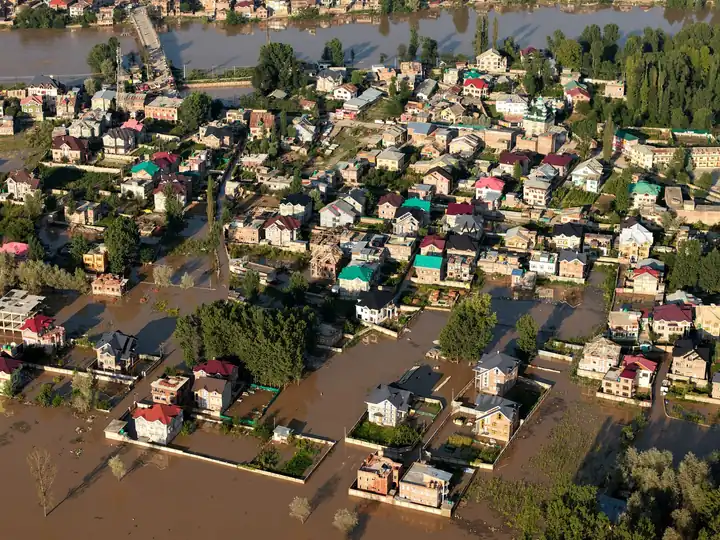
If you discover water pooling across your living room floor, leaking down from an upstairs condo, or soaking through baseboards after a heavy Miami cloudburst, your first instinct is usually to clean up the visible puddle. But the real danger isn't the water you can see—it's the microscopic biological clock that starts ticking the moment moisture penetrates your walls.
In South Florida, the definitive answer to "how fast does mold grow after water damage?" is between 24 and 48 hours.
While homeowners in drier states might have three to four days before fungal spores activate, Miami's unique subtropical climate acts as an industrial incubator for mold. Understanding this 48-hour window—and taking immediate professional action—is the difference between a standard dry-out and a catastrophic \$20,000+ mold remediation tear-out.
Why Miami’s Climate Supercharges Mold Growth
Fungal spores require three ingredients to colonize: moisture, food (cellulose organic material like drywall paper, wood, and carpet backing), and warm temperatures. In South Florida, two of those three ingredients are permanently present:
- Year-Round Ambient Humidity (>75%–85% RH): In Miami, outdoor air is constantly laden with moisture. When a building envelope or plumbing pipe breaks, indoor relative humidity immediately spikes above the critical 60% threshold where dormant mold spores wake up.
- Subtropical Warmth (75°F to 85°F): The indoor temperatures most South Floridians keep their thermostats at provide the exact thermal sweet spot for rapid fungal spore cell division.
- Closed Air Conditioning Loops: When an active leak occurs in a closed, air-conditioned condo or home, moisture evaporates into the air and gets sucked into the HVAC air return. The AC system then circulates high humidity and active mold spores into every bedroom and closet in the home.
Hour-by-Hour Timeline: What Happens Behind Your Walls
Here is what happens to your property when water damage is left untreated in Miami:
| Time Elapsed | Biological Stage | Property Impact & Signs |
|---|---|---|
| 0 to 24 Hours | Moisture Absorption & Spore Swelling | Drywall wicks moisture upward 1 inch per hour through capillary action. Dormant spores absorb water and activate enzymes. Clean water (Category 1) begins degrading. |
| 24 to 48 Hours | Hyphae Germination | Spores sprout microscopic root systems (hyphae) that drill directly into drywall paper, baseboard wood, and carpet padding. Mold is now actively rooted. |
| 3 to 7 Days | Visible Colony Proliferation | Visible black, green, or fuzzy white patches emerge on baseboards and ceilings. Fungi release Microbial Volatile Organic Compounds (MVOCs), producing the distinct "musty Miami smell." |
| 1 to 2 Weeks | Structural Rot & Mycotoxin Release | Drywall crumbles; wood framing weakens; toxic species like Stachybotrys chartarum release airborne mycotoxins that trigger severe respiratory distress. |
The 3 Most Common Mold Species Found in Miami Water Losses
When our IICRC-certified crews arrive at Miami water damage scenes, laboratory testing consistently reveals three primary culprits:
- Aspergillus: The fastest germinator. Commonly found in HVAC ducts and behind damp wallpaper. It produces allergenic spores that trigger severe asthma and sinus infections.
- Penicillium: Spreads rapidly across damp carpet padding, mattresses, and insulation, characterized by blue-green powdery growth and pungent musty odors.
- Stachybotrys chartarum ("Toxic Black Mold"): A dark green or black slimy mold that requires continuous high moisture (such as unaddressed ceiling water damage or a slow burst pipe). It produces trichothecene mycotoxins known to cause neurological symptoms, chronic fatigue, and intense allergic reactions.
Why DIY Cleanup Methods Fail (and Make Mold Worse)
Homeowners often try to handle water intrusion themselves using common household tactics that actually accelerate mold damage:
Myth 1: "I'll just turn my AC down to 68 degrees to freeze out the moisture."
The Truth: Air conditioners are designed for sensible cooling, not bulk commercial water extraction. Lowering the temperature of moisture-saturated air brings the air closer to its dew point, causing condensation to form on cold walls and ceiling vents, feeding mold growth.
Myth 2: "Spraying bleach on wet drywall kills the mold."
The Truth: The EPA and IICRC advise against bleach on porous surfaces. Bleach is 90% water. Its chlorine molecules cannot penetrate porous drywall paper, evaporating on the surface while the water soaks in, providing fresh moisture that feeds the mold roots underneath.
Myth 3: "I'll point a regular box fan at the wet wall."
The Truth: Blowing uncontrolled air across an uncontained, mold-colonized surface sends millions of microscopic spores airborne, cross-contaminating uncontaminated living rooms, closets, and air conditioning returns.
How Rapid Dry Miami Halts Mold Before It Starts
Stopping mold in Miami requires an engineering approach called Psychrometric Structural Drying. When you call Rapid Dry Miami at (786) 434-0616, our 45-minute emergency response deploys:
- Industrial High-Volume Extraction: Using truck-mounted vacuum extractors and submersible pumps to remove standing water within minutes of arrival (emergency standing water removal).
- Thermal Moisture Mapping: We scan walls, ceilings, and tile slabs with FLIR infrared cameras to pinpoint hidden moisture pockets trapped behind baseboards without tearing down walls.
- Hospital-Grade EPA Antimicrobial Application: We treat saturated structural framing with broad-spectrum botanical biocides that neutralize active fungal spores on contact.
- Low-Grain Refrigerant (LGR) Dehumidifiers: Commercial units designed to extract dozens of gallons of airborne moisture daily, driving ambient humidity down to 40% RH where mold cannot biologically survive (structural drying).
- HEPA 500 Air Scrubbers: Running negative air containment to capture 99.97% of airborne spores and fine particulates down to 0.3 microns.
The Florida Insurance Trap: Why 48 Hours Determines Coverage
Most Florida homeowner and condominium insurance policies (including Citizens and private carriers) place strict mold remediation sub-limits—often capped at \$10,000 or excluded entirely if the insurer argues the mold was caused by "prolonged or neglected seepage."
However, if you initiate professional emergency water extraction within the first 24 to 48 hours of a sudden leak, the entire restoration is billed under your primary water damage coverage, which typically carries much higher limits without the restrictive mold cap. Rapid Dry Miami documents daily psychrometric logs and submits detailed Xactimate line-item records directly to your adjuster to protect your claim.
Frequently Asked Questions
1. How quickly does mold grow after a water leak in Miami?
Microscopic mold spores begin germinating within 24 to 48 hours. In South Florida's high heat and 80%+ humidity, visible colonies and musty odors appear within 3 to 5 days if commercial dehumidification is not started immediately.
2. Can running the air conditioner dry out water damage and stop mold?
No. Standard AC units cool air but cannot handle bulk structural moisture. Cooling high-humidity air brings it closer to the dew point, creating an ideal incubator for mold colonies. Industrial LGR dehumidifiers are necessary.
3. Does household bleach kill mold on drywall and baseboards?
No. Bleach is 90% water. Chlorine evaporates on the surface while the water soaks into porous drywall, feeding the fungal root system (hyphae) and causing mold to return worse.
4. How does Florida property insurance handle mold damage claims?
Florida policies often cap mold coverage at \$10,000. Calling certified water extraction pros within 24–48 hours ensures the claim is processed under standard water damage coverage before mold caps apply.
5. What are the common signs of hidden mold after a leak in Miami?
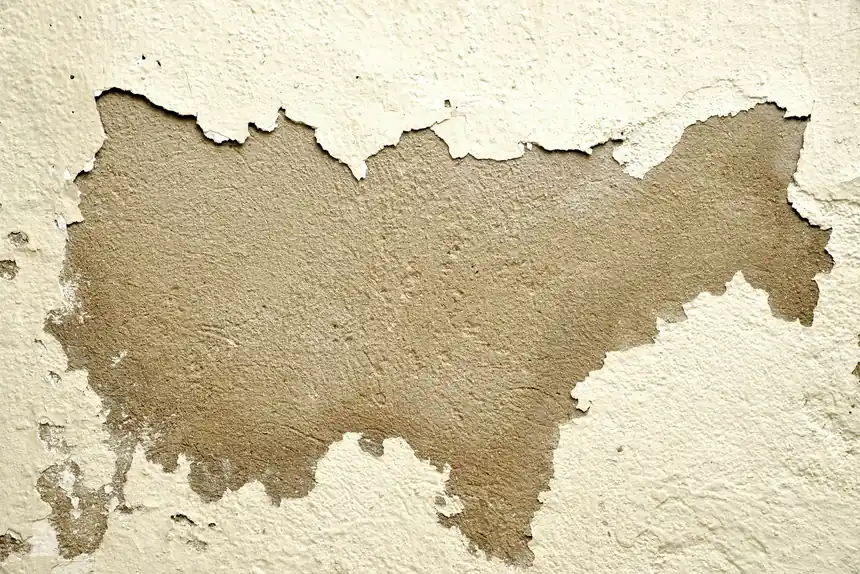
Signs include persistent musty odors, unexplained allergy flare-ups, bubbling paint, warped baseboards, yellow-brown water rings on drywall, and dark spots around AC supply vents.
Don't Let Water Damage Turn into a Toxic Mold Emergency
Every hour you wait allows fungal root networks to dig deeper into your drywall and subflooring. Contact Rapid Dry Miami immediately for 24/7 emergency dispatch. We arrive on-site across Miami-Dade in 45 minutes or less with direct insurance billing.
Call our 24/7 hotline now: (786) 434-0616 or request an immediate moisture inspection online.